Skip to content
Exfoliation, AHA and BHA: differences and use
Beginner · SESH Academy
Distinguish physical exfoliation from acids and choose by purpose and tolerance rather than strength alone.

Find the stratum corneum at the top and cell renewal below. This is thick skin, such as a palm; its clear lucidum layer is absent from facial skin.
Open full-size image ↗
What you will learn
Distinguish physical exfoliation from acids and choose by purpose and tolerance rather than strength alone.
Core ideas before application
Which is an AHA?
Lactic acid. Lactic acid is an alpha hydroxy acid.
Which commonly appears in clogged-pore products?
Salicylic acid. Salicylic acid is used in some acne and clogged-pore products, subject to tolerance.
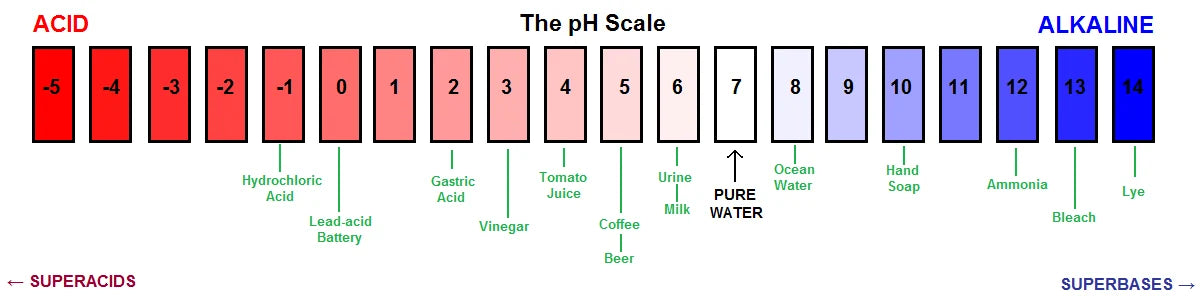
Compare the acidic, neutral and alkaline parts of the pH scale. A pH value alone does not determine exfoliation strength or skin compatibility.
Open full-size image ↗
Is strong burning the goal of exfoliation?
No; it can indicate irritation. Poor tolerance does not prove effectiveness.
Is percentage alone enough to compare acids?
No; type, pH, formula and use matter. The same percentage can produce different exposure when other factors differ.
Explore the full curriculum in SESH Skincare Academy.
Might be time to restockBased on when this product was added to cart on this device. Check your bottle before reordering.
Go to top
Top



