
Skin Academy · Beginner
Double cleansing: do you need it?
Know when a remover plus cleanser is useful and when one step suffices.
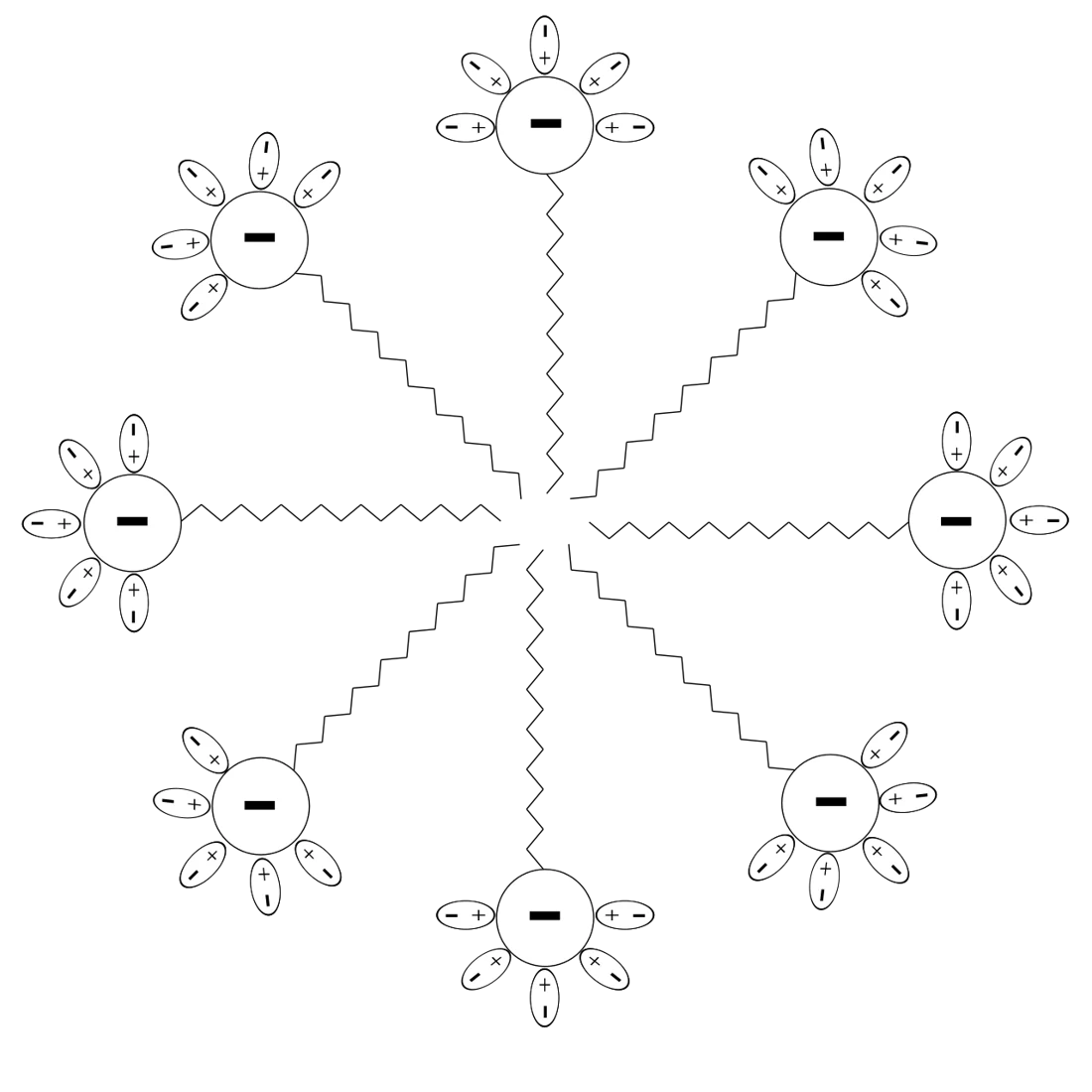
Water-loving heads face outward and oil-loving tails inward. This models surfactant assembly in water; cleanser performance depends on the whole formula.
Open full-size image ↗Science made simple
An oil, balm or makeup remover can help dissolve resistant makeup or water-resistant sunscreen. A mild second cleanser may remove residue. Double cleansing is not compulsory for everyone every night.
What changes the result
Follow the remover instructions. Some oils go onto dry skin, emulsify with water and rinse off. Follow with a brief gentle water-based cleanse. Repeated scrubbing can itself cause irritation.
Apply it to a real routine
If you did not wear stubborn makeup and a single cleanser removes residue comfortably, one step is enough. Compare outcomes under similar conditions and simplify if tightness or irritation appears.

Oil droplets dispersed in water: a real emulsion example, not a photograph of a SESH formula or proof of cream efficacy.
Open full-size image ↗Two very different evenings
On a makeup-free day without water-resistant sunscreen, one gentle cleanser may be sufficient if it removes residue. After a day with stubborn makeup or resistant SPF, a separate remover followed by gentle cleansing may be more comfortable than aggressive rubbing. Count outcomes, not steps.
Common mistakes to avoid
Common mistakes include prolonged oil massage, following it with a stripping cleanser, and mistaking tightness for cleanliness. Check whether your remover is meant for dry skin and emulsifies with water. If itching or redness follows the process, shorten unnecessary contact and reassess products.
Scientific reading
American Academy of Dermatology ↗Finished-product examples from SESH
Study the product role and ingredients; these links do not imply a formula-specific clinical claim.
Melt The Day Away - Cleansing lotion & Makeup remover ↗Super Cleanse - Combination To Oily Skin Cleanser ↗
