SESH Academy

Full topic reading

From the basics to the details

A simple routine with a purpose for each step

The basics before the serum

A routine is not a shopping list you must complete. Start with functions: suitable cleansing, moisturizing as needed, and daytime sun protection. Serum describes a product format rather than one function; it may hydrate, exfoliate or deliver another active. Toner is not compulsory when a basic routine is comfortable and meets your needs.
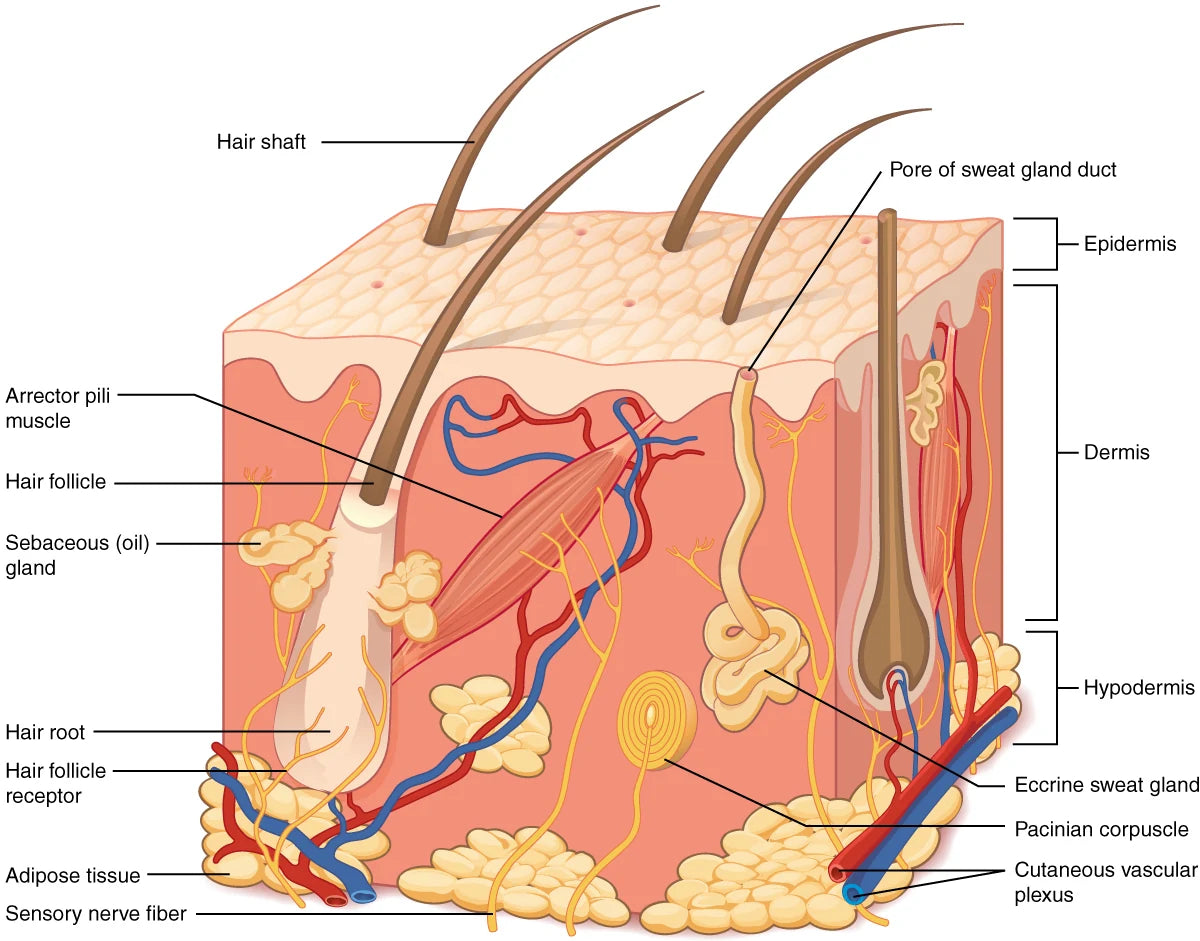
Skin anatomy: the epidermis sits above the dermis, with follicles and glands at different depths. Location explains a skincare target; it does not prove that a product reaches every layer.

Skin anatomy: the epidermis sits above the dermis, with follicles and glands at different depths. Location explains a skincare target; it does not prove that a product reaches every layer.

Image source · OpenStax College: J. Gordon Betts, Peter Desaix, Eddie JohnsonCC BY 3.0Compressed display copy; illustration content retained.
Open full-size image ↗

Practical morning and evening order

TimeBasic orderOptional step
MorningSuitable cleansing → moisturizer as needed → sunscreen → optional makeupA targeted product before sunscreen, following its directions
EveningRemove persistent makeup if needed → cleanser → moisturizerA treatment or active according to its directions or prescription

Ask two questions before adding a step

First ask what exactly you want to improve. Then ask whether another step already does that job. A moisturizer containing niacinamide does not automatically need a separate niacinamide serum. Introduce one addition and record the date to understand usefulness and tolerance. Thin-to-thick can help with texture order, but it never overrides treatment instructions or makes every active combination suitable. Treatment results usually cannot be judged after one night.

Order follows function, not a rigid texture rule

“Thinnest to thickest” is a useful shortcut, not a universal law. Ask what each product does: does it cleanse and rinse off, deliver a leave-on treatment, reduce water loss or protect from UV? A straightforward morning can include cleansing when needed, a suitable treatment if used, moisturizer as needed and sunscreen as the final skincare step before makeup. Sunscreen is not a serum that should be buried beneath many later skincare layers.

Why fewer steps can be smarter

If someone starts a strong exfoliant and retinoid together and develops irritation, the issue may not be the exact layer order. It may be too many irritating interventions at once. Instead of adding several recovery steps, review each product's purpose, frequency and tolerability. Timing and frequency can matter more than the sequence of two similar leave-on textures.

Locate ultraviolet and visible light within the spectrum. This is not a sunscreen protection test; protection must be assessed from product data and testing.

Locate ultraviolet and visible light within the spectrum. This is not a sunscreen protection test; protection must be assessed from product data and testing.

Image source · NASA / STScIPublic domainCompressed display copy; illustration content retained.
Open full-size image ↗
Sources and further reading

An oily nose and tight cheeks: what should you change?

Read the whole situation

Basma usually has shine on her forehead and nose, with comfortable cheeks. She switches to a cleanser that leaves her face tight, then her cheeks start flaking. The first observation suggests a combination pattern; the second is a new product-related change. Both can be true. An oily nose does not mean the whole face needs a stronger cleanser.

A plan she can actually follow

If the new cleanser causes discomfort, stop it and return to a tolerated cleanser or choose a gentle alternative. Use a comfortable moisturizer, with a little more or a richer texture on the cheeks if needed. Keep suitable sun protection. Do not add acids to tackle nose shine while the face is irritated. Area-based care does not require five products; adjusting amount may be enough.

How should she judge the change?

Track cheek comfort separately from T-zone shine. If the cheeks improve while the nose keeps its usual oiliness, the first plan has not failed: its purpose was comfort, not changing skin type. Persistent tightness or a rash needs reassessment. Blotting paper detects surface oil; it does not test allergy or skin water content.

Case: a shiny forehead and tight cheeks

Nada sees shine on her forehead and nose late in the day, but her cheeks feel tight after each wash. Before labeling this “combination skin,” ask how long the tightness lasts, which cleanser she uses and whether it started after a product change. An oily T-zone can coexist with irritation or reduced hydration elsewhere.

A decision plan, not two complete routines

  1. Use a gentle cleanser across the face and track post-wash tightness.
  2. Try a light moisturizer overall, using more on the cheeks if needed.
  3. Observe the pattern across approximately two comparable weeks instead of judging one photograph.

Measure success: cheeks feel comfortable without excessively stripping the T-zone, not the elimination of every trace of sebum.

Sources and further reading

Build a purposeful routine and review it with a clear decision

Choose one observable priority

'I want better skin' is too broad to evaluate. Choose something observable: fewer new spots, less after-wash tightness or fading of older marks. Record a baseline, what improvement means and what should trigger stopping. Poreless or lineless skin is not a realistic definition of normal skin.

Start with essentials, then a purposeful addition

Start with appropriate cleansing, moisturization as needed and sun protection. Once comfortable, add a step that serves the chosen priority with suitable evidence and directions. Three exfoliating products may duplicate a function and increase irritation rather than broaden the plan. The same logic applies to body and nails: reducing friction or repeated wet work may help more than another serum.

A decision table instead of random additions

ObservationDecision to review
The goal improves and the routine is comfortableContinue as directed; availability of a stronger product is not a reason to escalate
Persistent stinging or inflammationPause the suspected trigger and assess; do not add exfoliation over irritation
No change after an appropriate period with good adherenceReview the goal, product, use and need for professional help
Several changes happened togetherAttribution is limited; return to a plan whose steps can be followed

Timing is not complete proof of causation

A spot appearing after one use deserves recording but does not alone prove causation; acne develops over time and has multiple influences. Conversely, repeated stinging with a product should not be ignored merely because no formal trial exists. Personal tracking informs practical decisions without proving the same effect in everyone. Seek assessment for severe or persistent symptoms, scarring or unusual changes.

Build a routine around a testable hypothesis

Instead of “I want better skin,” define a specific goal such as “reduce new inflamed breakouts while maintaining comfort.” Keep suitable cleansing, moisturizing as needed and sun protection consistent. Then introduce one justified intervention and define a realistic review period for the actual condition rather than changing everything together.

A professional decision framework

  1. Baseline: document the usual symptoms and their pattern before making changes.
  2. Intervention: follow the intended directions and monitor tolerability.
  3. Review: compare a relevant measure while noting changes in UV exposure, medication or other factors.
  4. Decision: continue when helpful and well tolerated, adjust one variable, or seek medical care when indicated.

This is a framework for learning from a personal routine, not a substitute for diagnosis or treatment.

Sources and further reading
Educational diagram illustrating this lesson topic
Conceptual illustration, not a measured product-test result.

UNDERSTAND → APPLY

Routine order follows function

Cleanse when needed, apply targeted lightweight skincare as tolerated, moisturize and use appropriate sunscreen as your morning protection step. Follow product-specific directions.

A small amount of an SPF-containing serum should not automatically replace adequate sunscreen application. Layering two useful products is not always better.

Hold a simple routine steady for a week and change one step at a time.

\n\n

