
Why the perfume atomizer matters
SESH Academy / Fragrance Academy · Beginner
Understand pump output, droplet pattern and practical spray quality.

This diagram illustrates air-driven atomization and liquid pickup. Not every perfume pump uses this exact mechanism; distinguish spray formation from scent chemistry.
Open full-size image ↗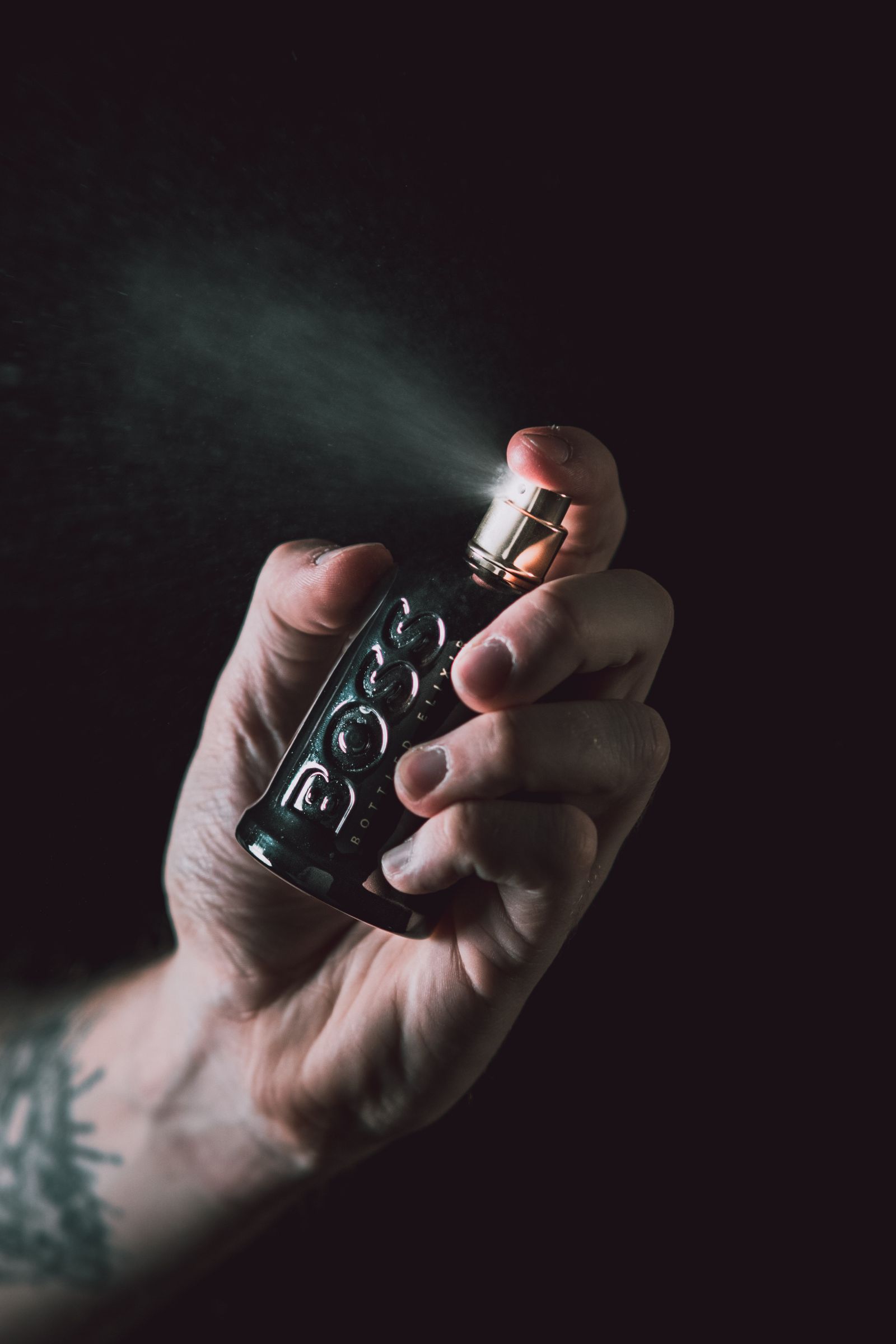
An atomizer is a delivery system
Pressing an atomizer actuates a pump that doses liquid and pushes it through a nozzle. Nozzle design, fluid viscosity and formula influence droplet size and the spray pattern. A fine mist versus a coarse wet stream can change coverage and the initial feel on skin, but the sprayer does not magically change the aroma molecules or note names inside the bottle.
Three simple features to evaluate
Evaluate three things: dose per actuation, whether the pattern is a fine even mist or concentrated stream, and reliability of the pump including leakage or clogging. A good delivery mechanism must suit the actual fluid and intended use. 'Three sprays' from two different atomizers may represent different total amounts of product, so spray count alone can mislead.
Water-based mists still need matched atomizers
An aqueous or dispersed formula may behave differently inside a pump compared with a thin ethanol solution. The pump should therefore be chosen for the formula and tested for pattern consistency, leakage and clogging across realistic conditions. An arbitrary sprayer shouldn't be assumed suitable. Spray experience is part of product quality but not proof of dermatological benefit or scent longevity.

Particles spread from higher to lower concentration. This is a qualitative model, not a perfume longevity timeline or a measured skin absorption rate.
Open full-size image ↗What a good spray looks like
Following product instructions in a suitable test area, observe whether droplets distribute evenly, pool heavily in one spot or spray inconsistently. Look for missed actuations and leakage. Record findings without directly inhaling the mist or spraying near flames. A fine pattern may be preferred for body mist, but suitability is always judged against the intended product and user experience.
Try it yourself
Compare two imaginary sprayers: a consistent fine mist and a wet stream. Which better fits body-mist application and why?
• Look at distribution without direct spray inhalation.
• Compare actuation consistency and leaks.
• Relate suitability to the actual formulation.
Check your reasoning: An even fine mist may cover an area more comfortably, but pump output and the formula must be evaluated together.

