
Fresh, citrus and green: what's the difference?
SESH Academy / Fragrance Academy · Beginner
Distinguish zesty citrus, green leaves and watery effects and where they often appear.

Citrus peel and flesh are different parts of the fruit. Use this as a sensory reference, not a way to infer a formula from a note name.
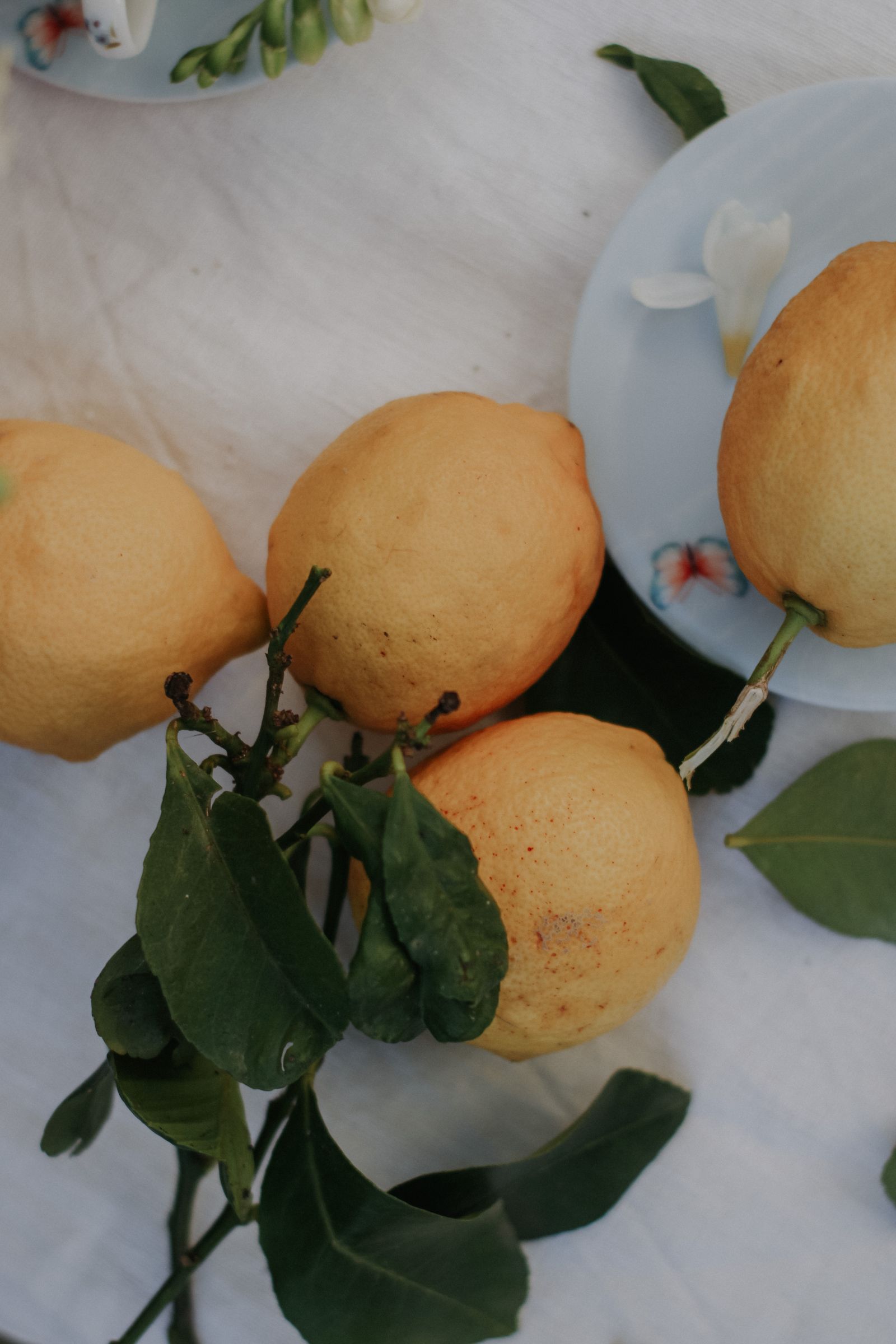
Citrus: bright peel-like zest
Smell fresh orange peel gently: its bright zesty effect differs from juice or orange candy. Perfume citrus notes include bergamot, lemon, mandarin and grapefruit. They often lend sparkle to openings because many supporting molecules are relatively volatile. But no citrus fragrance has one mandatory fade time, and citrus does not imply poor quality.
Green: freshly crushed leaves
Crush a mint leaf safely or smell cut grass and you'll find a different kind of freshness: leafy, sharp or herbal rather than fruity juice. Green descriptors include mint, violet leaf, galbanum and cut grass. Green effects can brighten an opening but can also participate in the heart depending on the formula.
Aquatic doesn't mean seawater
Aquatic in a note description suggests sea air, rain or watery freshness. It is not the same thing as a water-based perfume formula. An aquatic scent may be alcohol-based, water-based or another format; the descriptor alone cannot tell you. Aquatic effects may appear in different parts of a composition.

Compare the two stereochemical forms of limonene. Structure identifies a molecule; it does not by itself establish a whole perfume’s smell or a material’s origin.
Open full-size image ↗Where does freshness sit in the pyramid?
Bright citrus and green effects commonly appear in openings but aren't locked there. A lemon-like first impression may develop into leafy, floral or clean musky character. 'Fresh' doesn't mean summer-only or weak projection; actual performance needs testing.
Try it yourself
Make three cards: lemon peel, mint leaf and after-rain air. Sort them into citrus, green and aquatic, then predict where each could support a perfume.
• Compare lemon and mint if accessible.
• Write whether the effect feels zesty or leafy.
• Treat rain as a watery association, not an ingredient disclosure.
Check your reasoning: Lemon peel is citrus; mint leans green/aromatic; rain-like air is aquatic/ozonic. The labels can overlap.

