
Floral and fruity: flowers versus fruit
SESH Academy / Fragrance Academy · Beginner
Tell floral from fruity character and understand how both can contribute to openings and hearts.

Rose petals are a botanical reference for a scent family. A rose note on a label does not prove the use of natural rose extract.
Open full-size image ↗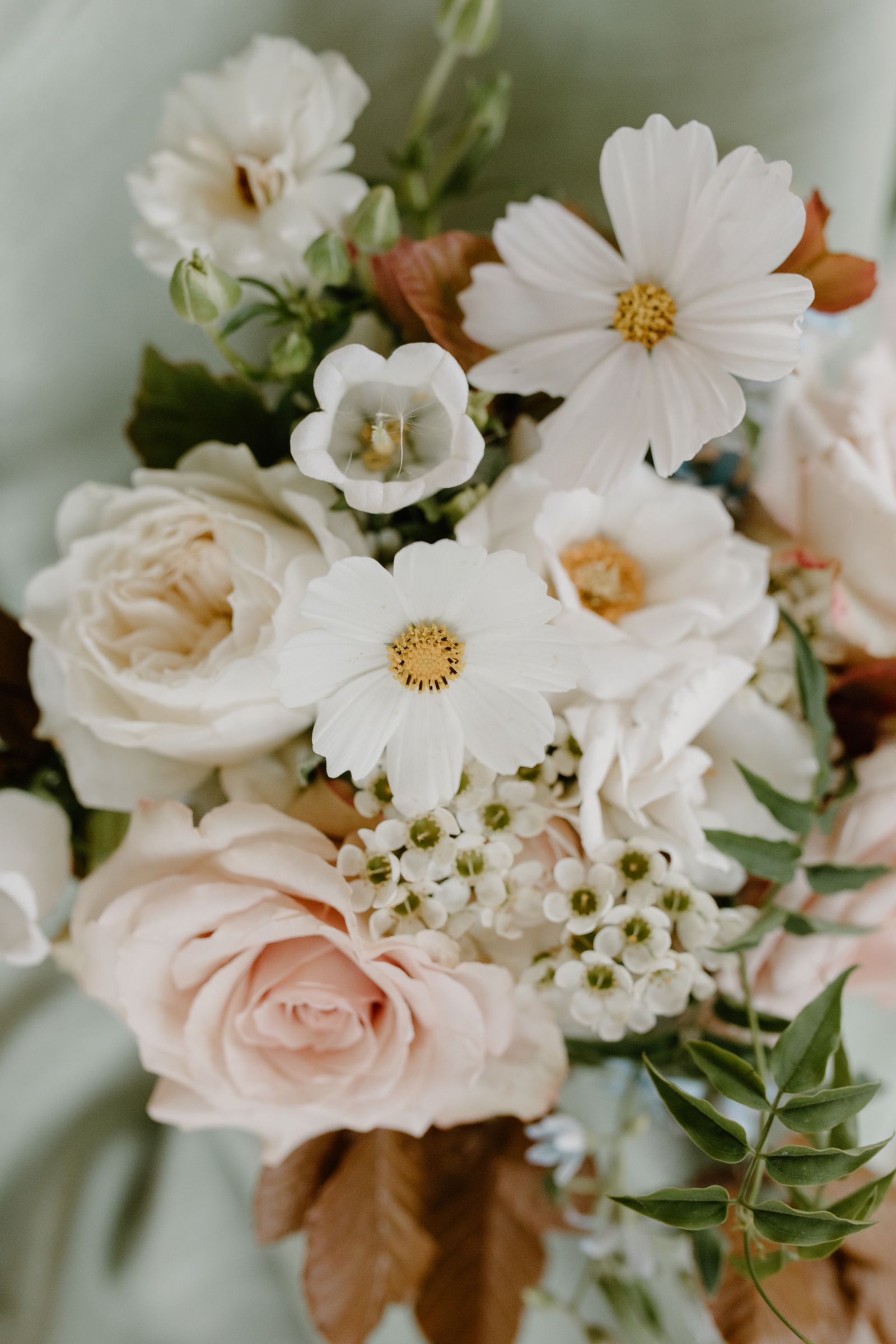
Floral isn't just rose
Floral perfumes can evoke rose, jasmine, orange blossom or tuberose, and these do not all smell alike. Rose can read green, powdery or rich; jasmine can feel airy or deep. The flower name is a sensory guide, not proof that a natural extract from that flower is in the formula. Florals often help define the heart, but can also be noticeable from the opening.
Fruity can be crisp or sweet
Green apple may suggest tart juicy freshness, berries may seem ripe or jammy, and peach can feel softer. Fruity does not automatically mean sugary. Some fruity effects lend sparkle to an opening; others blend into a floral heart. 'Which fruit, and how sweet?' is a more useful question than simply 'is it fruity?'
A common blend: fruity floral
Imagine pear and mandarin lifting a fragrance, followed by jasmine and orange blossom. That is a plausible fruity-floral progression, not a contradiction. SESH Queen's Garden actually lists pear, mandarin and ginger followed by jasmine, orange blossom and tuberose. The pyramid lets you predict the direction, but sampling tells you what you personally detect.

Citrus peel and flesh are different parts of the fruit. Use this as a sensory reference, not a way to infer a formula from a note name.
Families aren't locked into one layer
Fruity openings and floral hearts are common examples, not physical laws. A floral character can be present immediately, while sweet fruit-like accords may contribute long into the dry-down. Family labels describe scent direction; they don't specify fixed appearance times.
Try it yourself
Compare the published scent stories of Queen's Garden and Berry Alure. Identify fruit or floral cues and their positions in each pyramid; then verify with samples if available.
• Find at least one fruit-like descriptor.
• Find at least one floral descriptor.
• Label predictions versus actual smelling observations.
Check your reasoning: Queen's Garden suggests a fruity opening and floral heart. Family classification alone can't prove strength or exact longevity.

