
Glass or plastic: choosing perfume packaging
SESH Academy / Fragrance Academy · Beginner
Distinguish glass, technical plastics and actual formula-packaging compatibility requirements.

Oxidation, packaging and ingredient stability — a published visual reference for the topic, not SESH product-test data.
Open full-size image ↗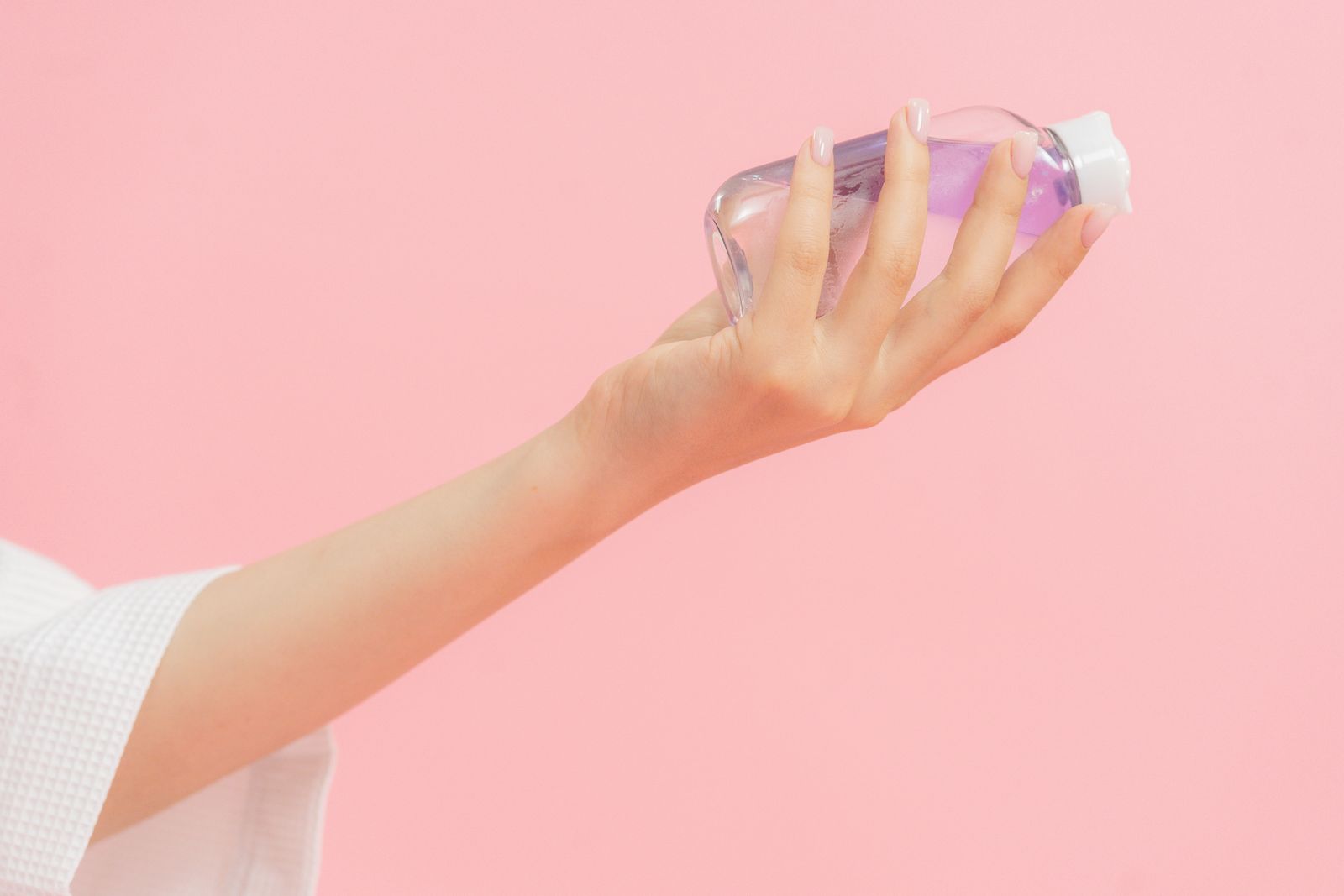
Glass is common, not the only valid option
Glass is commonly used for fragrances because it works with many formulas, can look premium and provides a clear view of the contents. But it is heavier and more breakable than many plastics, which may matter for travel. Even a glass bottle uses a pump, seals and other components that must be compatible with the liquid. Packaging quality isn't just the material of the bottle walls.
Plastic is a family of materials, not a single quality level
'Plastic' covers distinct polymers such as PET, HDPE and PP with different properties, grades, permeability and chemical resistance. Some fragrance formulas may be compatible with a specific polymer and pump assembly, while others could undergo sorption, migration, permeation or package changes. Thus both 'perfume can never be in plastic' and 'any water-based formula is fine in any plastic' are incorrect.
What an actual compatibility study checks
Real compatibility testing uses the actual finished formula in the intended packaging over time under selected storage conditions. It may evaluate odor and color change, leakage or weight loss, package swelling or cracking, fragrance sorption, migration from packaging to liquid and pump performance. These aren't established by touching the bottle or spraying once at home.

Oil droplets dispersed in water: a real emulsion example, not a photograph of a SESH formula or proof of cream efficacy.
Open full-size image ↗SESH as a case study, not a blanket guarantee
If SESH uses high-quality plastic for a declared 20% water-based fragrance mist, its suitability depends on the chosen polymer grade, the entire finished formulation, caps and spray assembly, and actual testing results. Avoid claims like 'plastic makes it last' or 'every water-based perfume is plastic-compatible'. Packaging is an engineering decision; well-selected plastic can be entirely appropriate when verified.
Try it yourself
You're choosing between glass, PET and HDPE packaging. Can names alone determine suitability? List the missing evidence.
• State the complete formula and carrier as requirements.
• List leakage and material/scent-change tests.
• Don't generalize one formula's success to all formulas.
Check your reasoning: Material names alone are insufficient; test the actual finished formula with the complete packaging assembly.

