
Water-based, oil-based and alcohol-based perfume
SESH Academy / Fragrance Academy · Beginner
Distinguish fragrance concentrate from carrier, understand solubilization and avoid overclaiming what '20%' proves.

Oil droplets dispersed in water: a real emulsion example, not a photograph of a SESH formula or proof of cream efficacy.
Open full-size image ↗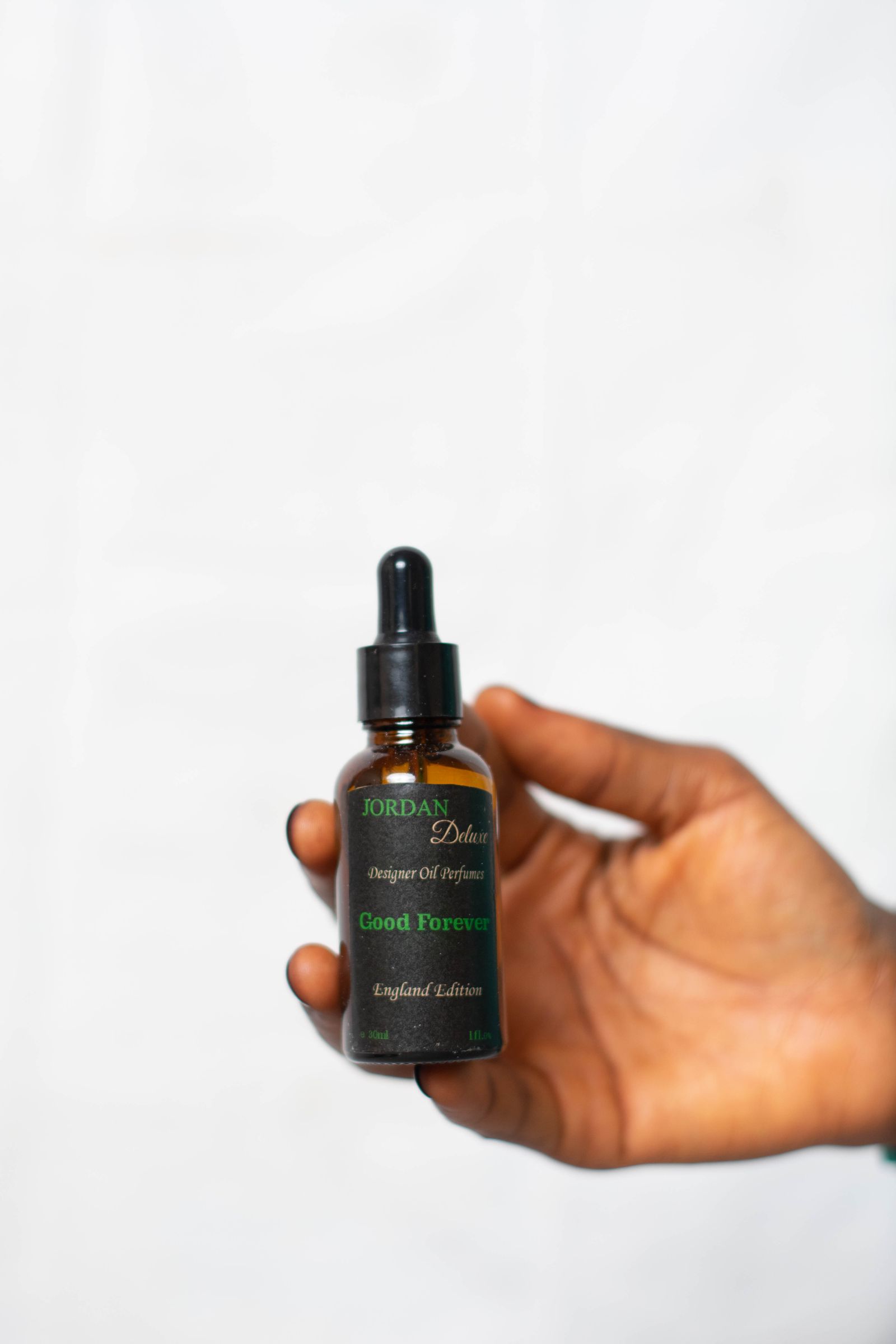
Fragrance concentrate versus carrier
A fragrance product contains the materials that create scent and a carrier system that helps deliver them, plus other ingredients as needed. The fragrance concentrate can itself be a blend of aroma molecules, extracts and aromatic oils. The carrier system may be predominantly ethanol-based, oil-based or water-based with suitable formulation aids. 'Water-based' and 'oil-based' describe the vehicle, not a complete quality ranking.
Why many aroma materials don't simply dissolve in water
Many fragrance ingredients are lipophilic and won't simply dissolve in pure water. Adding concentrate to untreated water can lead to separation, floating oil or unstable cloudiness. Well-designed aqueous formulas may use solubilizers, emulsification or dispersion systems depending on the target product. Physical stability, microbial preservation and packaging compatibility must be assessed. 'Water-based' doesn't mean the formula needs no other ingredients or is automatically simpler.
Oil-based and ethanol-based formats
Oil-based fragrance is often dispensed by rollerball or dab and may leave an oily feel, with how far it projects depending on its particular formula. A typical ethanol-based fragrance atomizes easily and its alcohol carrier evaporates after application, but diffusion still depends on the concentrate, sprayer and dose. An aqueous formula can also be designed for spraying if it is stable and compatible with the pump. No carrier type universally guarantees maximum projection or wear.

Water-loving heads face outward and oil-loving tails inward. This models surfactant assembly in water; cleanser performance depends on the whole formula.
Open full-size image ↗The SESH 20% example, interpreted carefully
According to information provided by SESH, its fragrance mists use a water-based system with a declared 20% fragrance concentration. That identifies the brand's stated fragrance fraction, but it does not mean the remaining 80% is necessarily plain water, nor establish exact wear hours or compatibility with every plastic. Interpreting the number precisely requires its formula specification and measurement basis. Final bottle compatibility must be tested with the complete product.
Try it yourself
Compare an oil roll-on, an ethanol spray and a SESH aqueous mist. Identify concentrate, carrier and application format.
• Make columns for carrier, delivery and stability requirements.
• Predict what might happen without a water-compatible formulation system (do not DIY mix).
• Write three things a 20% label cannot prove.
Check your reasoning: A brand-defined 20% fragrance fraction isn't a longevity claim or a universal packaging pass. Aqueous systems require appropriate dispersion, stability and preservation.

