
Parfum, EDP, EDT and mist: what differs?
SESH Academy / Fragrance Academy · Beginner
Understand conventional concentration labels and their limitations.

Linalool contains an OH alcohol group. One functional group is insufficient to predict every molecule’s odour or the performance of a mixture.
Open full-size image ↗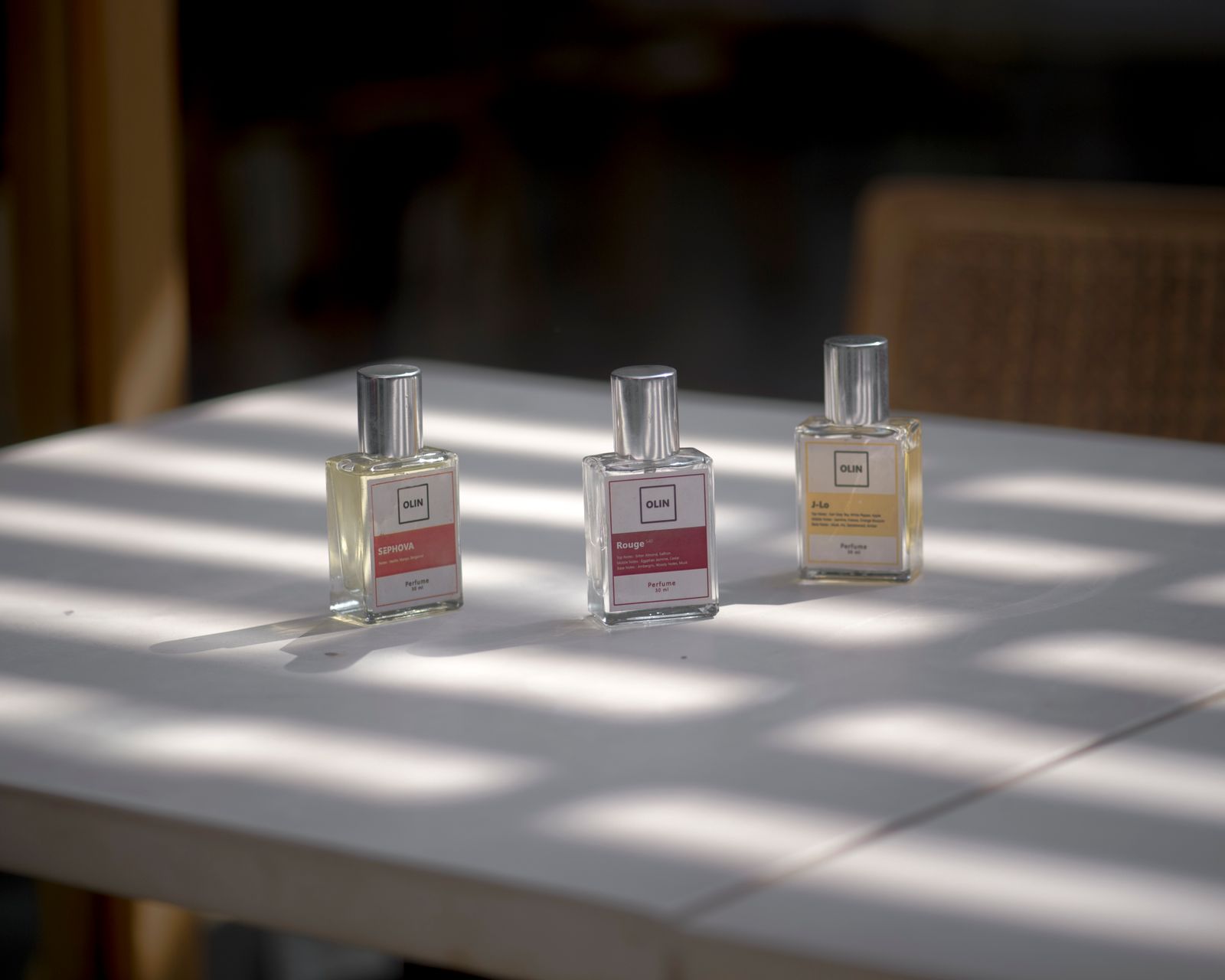
First: what fragrance concentration means
At its simplest, fragrance concentration is the amount of fragrance compound relative to the complete formula. 'Perfume oil' in trade language often means a formulated fragrance concentrate with multiple materials, not necessarily one natural essential oil. Check how a percentage is defined, for example by weight or volume, and what is counted as fragrance concentrate. A 20% figure alone doesn't disclose the whole product.
Common terms, not universal legal thresholds
Parfum or extrait generally suggests a richer fragrance strength, followed commonly by eau de parfum (EDP), eau de toilette (EDT) and eau de cologne (EDC). But percentage ranges vary by market and brand. IFRA explains that these are common descriptors, not strictly defined international concentration standards. Avoid presenting typical ranges as fixed legal boundaries for every perfume.
Does EDP automatically last or project more?
Higher concentration changes how much fragrant material is present but doesn't guarantee stronger projection or more hours than every different composition. Molecule selection, balance, application, skin and environment all matter. An EDT and EDP under one fragrance name may also have different note arrangements, not simply different dilution ratios. Evaluate the actual versions.

This diagram illustrates air-driven atomization and liquid pickup. Not every perfume pump uses this exact mechanism; distinguish spray formation from scent chemistry.
Open full-size image ↗Fragrance mist isn't a quality verdict
Body mist or fragrance mist generally describes a spray format for the body according to the label, not one universal percentage. 'Mist' doesn't automatically mean poor quality, just as EDP isn't a performance certificate. SESH presents products in the Fragrance Mist category; we should rely on the published product specification rather than infer concentration or wear time from the format alone.
Try it yourself
Compare imaginary EDT, EDP and fragrance mist bottles. What else must you know before choosing?
• Define the intended setting.
• Ask about scent character and carrier.
• Do not infer exact hours from the label.
Check your reasoning: Formats are useful guides, not a quality ranking; real comparison requires product-specific testing and context.

