
Green, citrus, aromatic and aquatic scents | SESH Academy
SESH · Intermediate Fragrance Academy
Identify citrus, green, aromatic and aquatic impressions through concrete sensory cues.

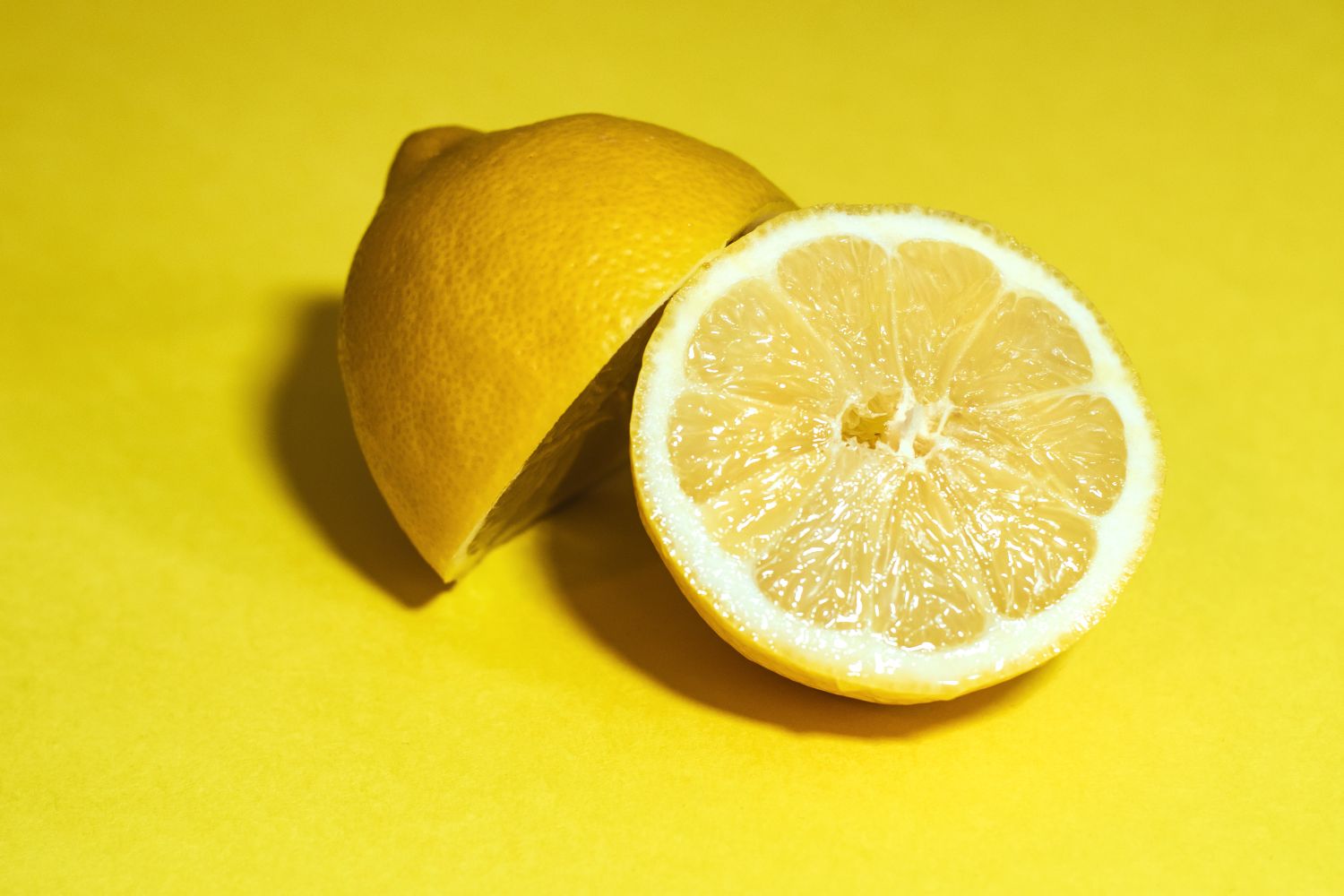
Citrus peel and flesh are different parts of the fruit. Use this as a sensory reference, not a way to infer a formula from a note name.
Freshness is an umbrella feeling
Freshness can be evoked by sharp citrus peel, crushed green leaves, aromatic herbs or watery transparency. Calling everything 'fresh' erases useful differences. An intermediate student should describe whether the sensation seems zesty, leafy, herbal or aquatic instead of assuming every fresh fragrance is citrus.
Citrus: zest rather than juice
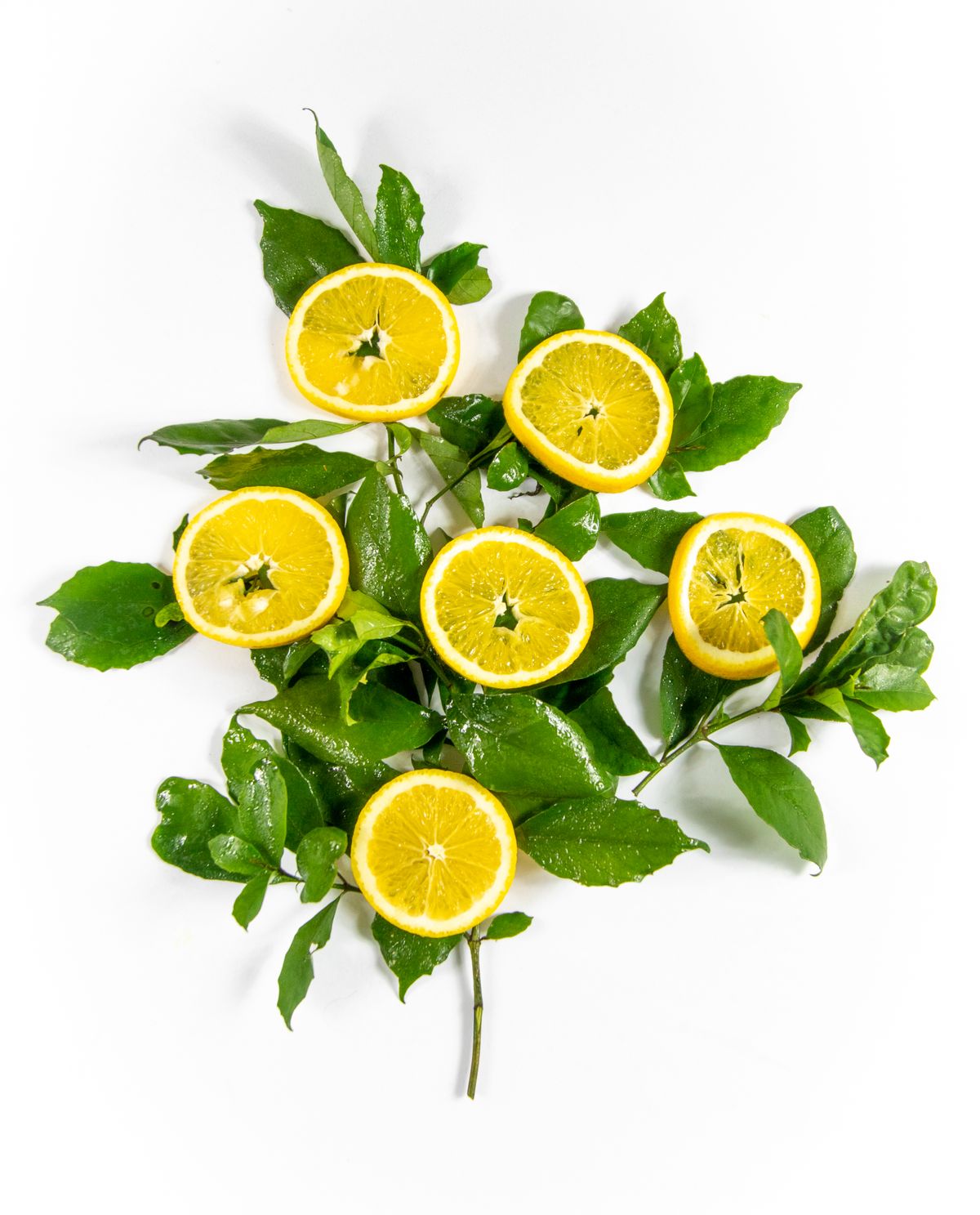
Citrus accords often evoke peel zest, bright freshness and sometimes a slightly bitter edge rather than sugary juice. Some openings feel piercing and sparkling; others feel soft. Smelling citrus does not establish the presence of natural lemon oil. Describe zestiness, bitterness, sweetness and how these change over time.
Leafy green versus herbal aromatic
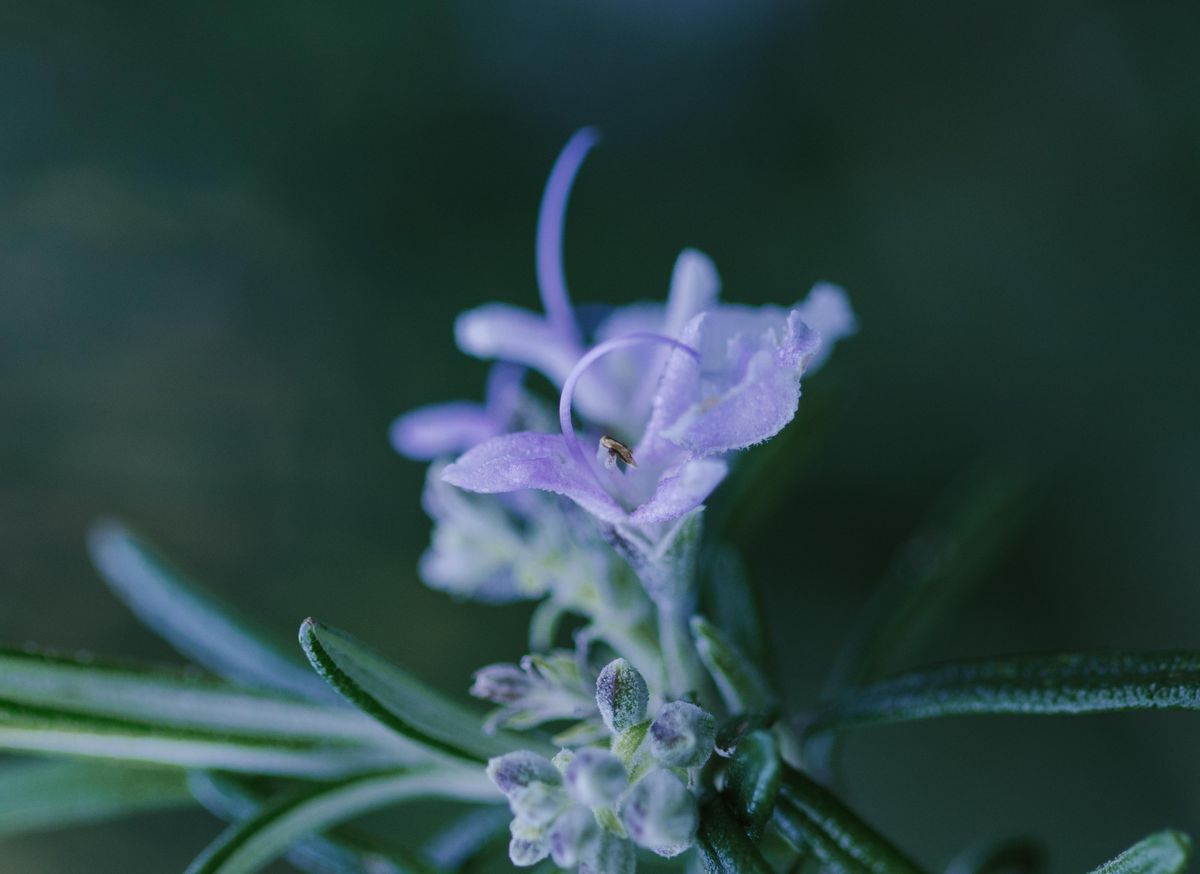
Green impressions may resemble snapped leaves, freshly cut grass or green stems. Aromatic effects often recall herbs such as lavender, rosemary or sage, and sometimes cool camphoraceous nuances. The categories overlap but are not interchangeable: practicing on separate references makes their differences easier to recognize.

Compare the two stereochemical forms of limonene. Structure identifies a molecule; it does not by itself establish a whole perfume’s smell or a material’s origin.
Open full-size image ↗Aquatic is a constructed impression
Aquatic accords can evoke sea breeze, cool air or clean shower freshness without containing seawater. Not every aquatic fragrance is weak, and citrus effects do not have a fixed longevity. Compare examples under similar conditions without turning 'fresh' into a universal performance or seasonal rule.
Case: four different 'fresh' perfumes
Imagine A suggests sharp lemon zest, B crushed green leaves, C rosemary-like herbs, and D a cool watery breeze. Each could be called fresh, yet they occupy different sensory directions. Rank all four on zestiness, greenness, herbaceousness and watery transparency from 1–5. If you're uncertain, train with safe real-world references before trying again on perfume. An aquatic effect does not require literal seawater.
Freshness does not equal weak performance
It is inaccurate to assign a fixed lifetime to all citrus impressions or assume every aquatic perfume is weak. Freshness names a character, while durability depends on the materials, their formulation, dose, surface and observer. Compare how the particular tested samples evolve rather than predicting performance solely from the family label.
Practical exercise
Use four distinct scent references, citrus, green, herbal and aquatic. Blind the sample labels and write both your classification and confidence level.
Comparison guide
Four freshness signatures
- Citrus: zesty peel
- Green: leaf and grass
- Aromatic: aromatic herbs
- Aquatic: watery air
Two questions refine a description
- Is it zesty or herbal?
- Is it leafy or transparent-aquatic?
- 'Fresh' alone is not specific enough
Practice with SESH fragrances
Optional references for practice, without unverified ingredient claims or rankings.

