
A precise language for describing scents | SESH Academy
SESH · Intermediate Fragrance Academy
Describe scent family, sensory texture, intensity and personal liking separately.

Rose petals are a botanical reference for a scent family. A rose note on a label does not prove the use of natural rose extract.
Open full-size image ↗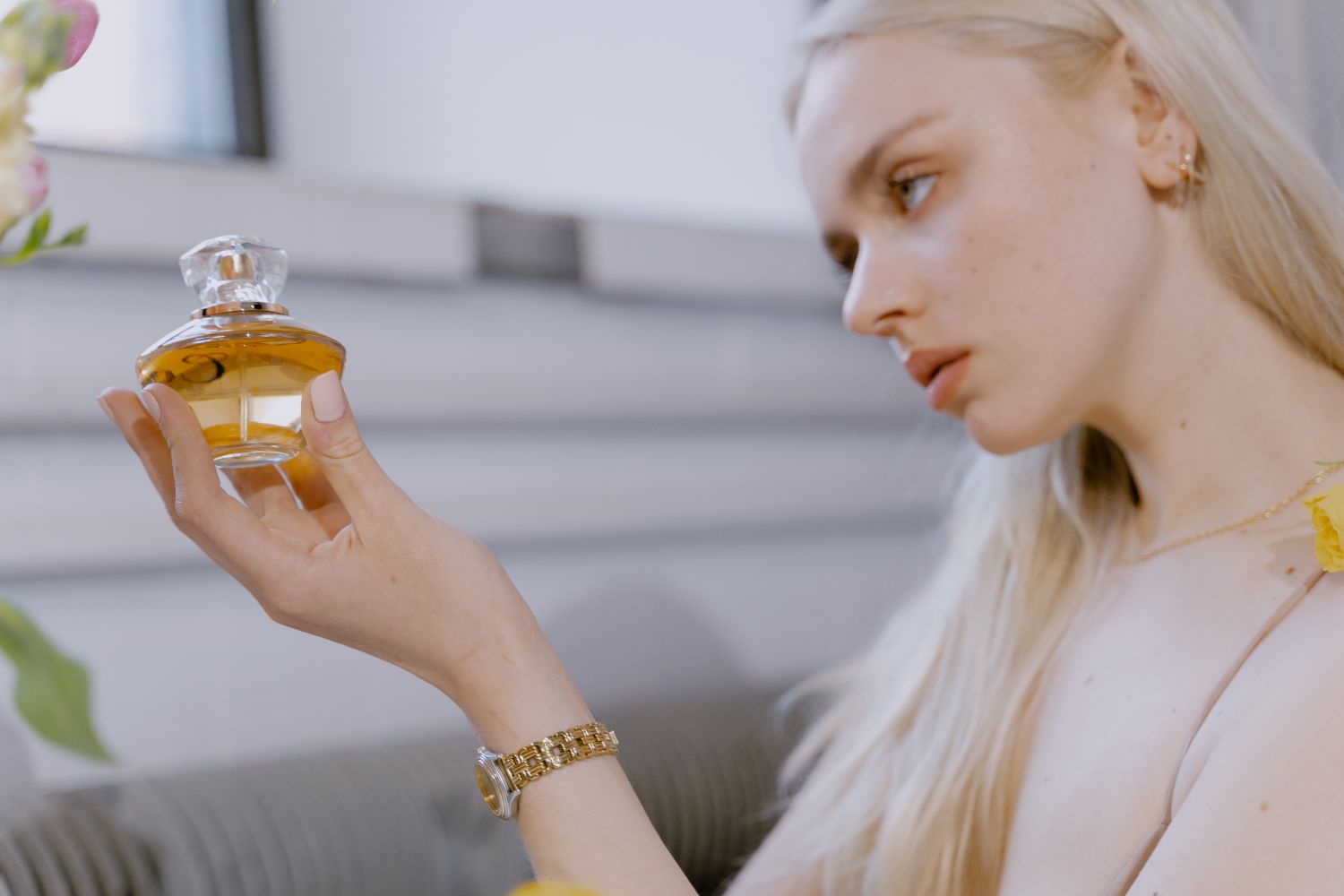
Start with four separate questions
After smelling, answer four different questions: which family is prominent, what sensory texture is present, how intense does it seem, and how much do you like it? A woody scent can be dry, creamy or smoky. A floral scent can feel airy or powdery. Intensity and liking must be recorded separately: a powerful perfume is not necessarily enjoyable.
Build a sensory texture vocabulary
Powdery evokes soft cosmetic powder, but does not prove literal powder is present. Creamy suggests a smooth, rounded impression. Dry describes a less juicy or less sweet character; sharp suggests a piercing edge. Green may resemble crushed leaves. These words capture perception, not an analytical ingredient list.
Describe without overclaiming
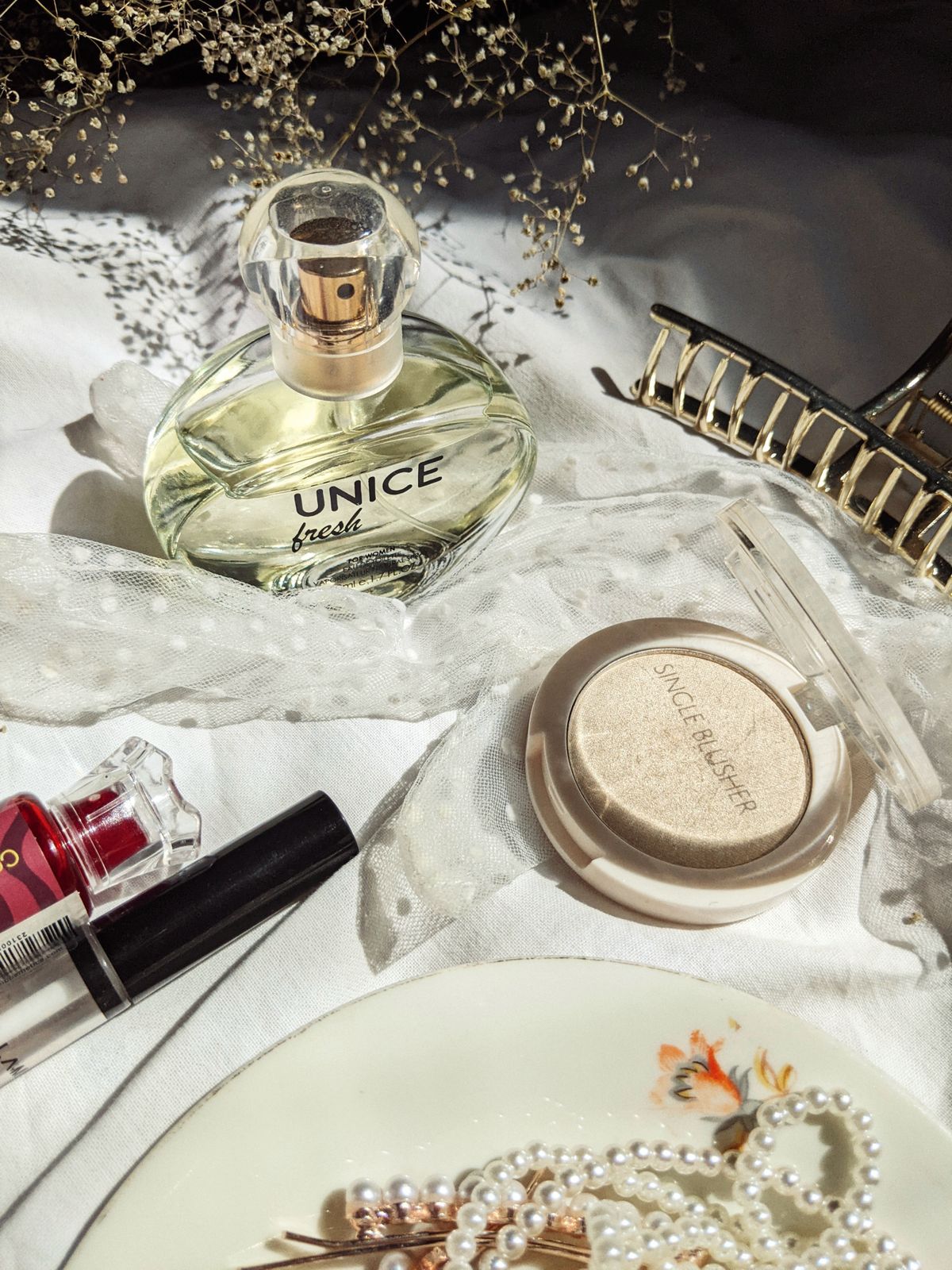
If a scent suggests lemon peel, write 'citrus-peel-like' rather than claiming it contains bergamot oil. If a smooth woody impression reminds you of sandalwood, say 'sandalwood-like' unless the ingredient has been verified. A note is a perceptual descriptor; an aroma material is a specific substance or mixture. Naming the impression honestly is more useful than an unsupported ingredient claim.

This is resinous agarwood. An oud impression in perfume may be an accord; the image does not establish agarwood or oud oil in a particular product.
Open full-size image ↗A useful side-by-side observation
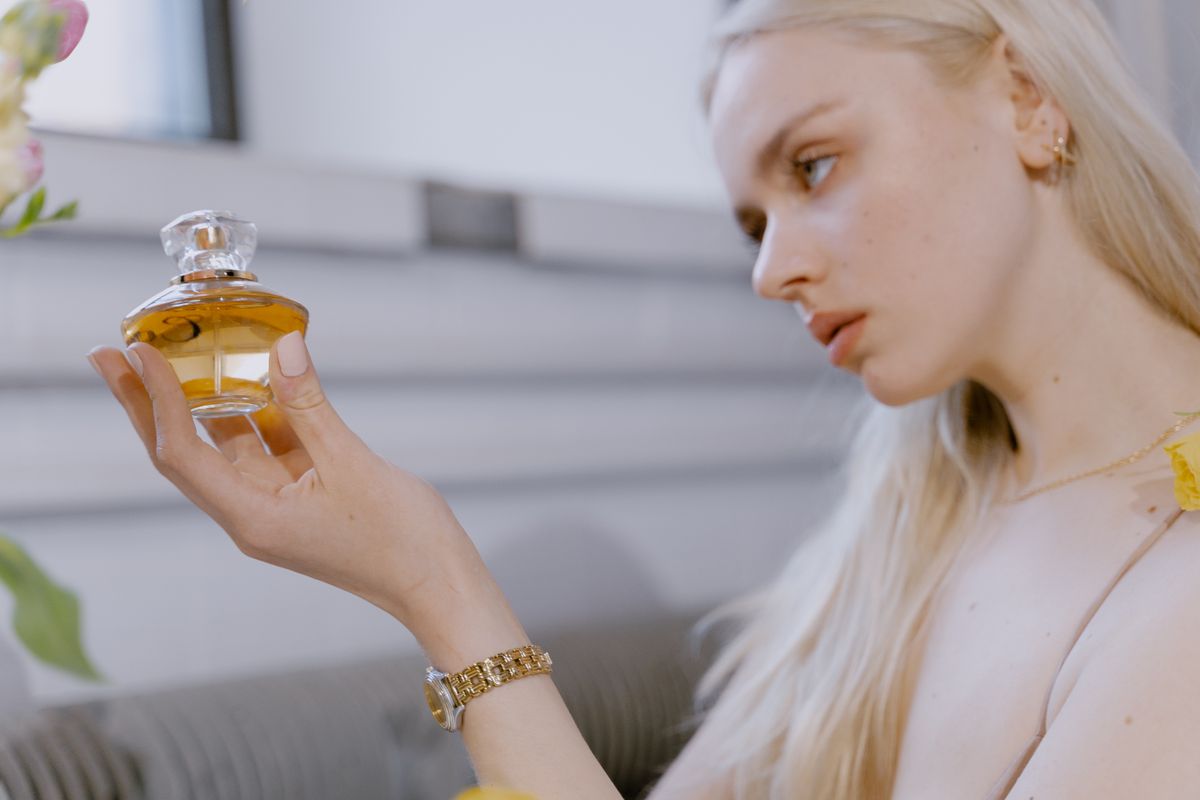
Make a two-perfume worksheet with family, three descriptive adjectives, perceived intensity from 1–5 and liking from 1–5. Smell comparable blotters under similar conditions without reading the note pyramid first. If uncertain, use a broad label. Revisit after 30 minutes and note which descriptors changed; this is a record of observation, not a laboratory identification.
Case study: the same floral family, two characters
Imagine sample A feels lightly floral with a soft powdery finish, while sample B feels more intense and leafy-green. If you describe both as merely 'nice florals', you lose the difference that matters to a buyer. Record first their shared floral identity, then the texture and intensity that separate them, and only then your preference. This lets someone who likes flowers but dislikes powder make a useful decision. The method also makes future comparisons more repeatable.
Precision checklist
Audit each adjective: does it name a family, texture, intensity, time-based change or personal liking? If one vague word such as 'premium' is carrying several meanings, replace it with observable terms. Do not infer natural origin, price or guaranteed longevity from fragrance character alone. Add a confidence rating and allow 'uncertain' as a valid entry.
Practical exercise
Describe two comparable perfumes in four lines each before checking published notes. Ask a second observer to describe them independently and compare similarities and differences.
Comparison guide
Four different dimensions
- Family: floral, fruity, woody
- Texture: powdery, creamy, dry
- Intensity: faint to strong
- Preference: like or dislike?
Same family, different character
- Floral, soft and powdery
- Floral, sharp and green
- Both are floral yet character differs
Practice with SESH fragrances
Optional references for practice, without unverified ingredient claims or rankings.

