
Write a professional fragrance review | SESH Academy
SESH · Intermediate Fragrance Academy
Write a clear, useful review that separates observation, preference, test conditions and uncertainty.

Follow the route from the nasal cavity to the olfactory bulb. Smell is perception; it does not independently identify a perfume’s ingredient list.
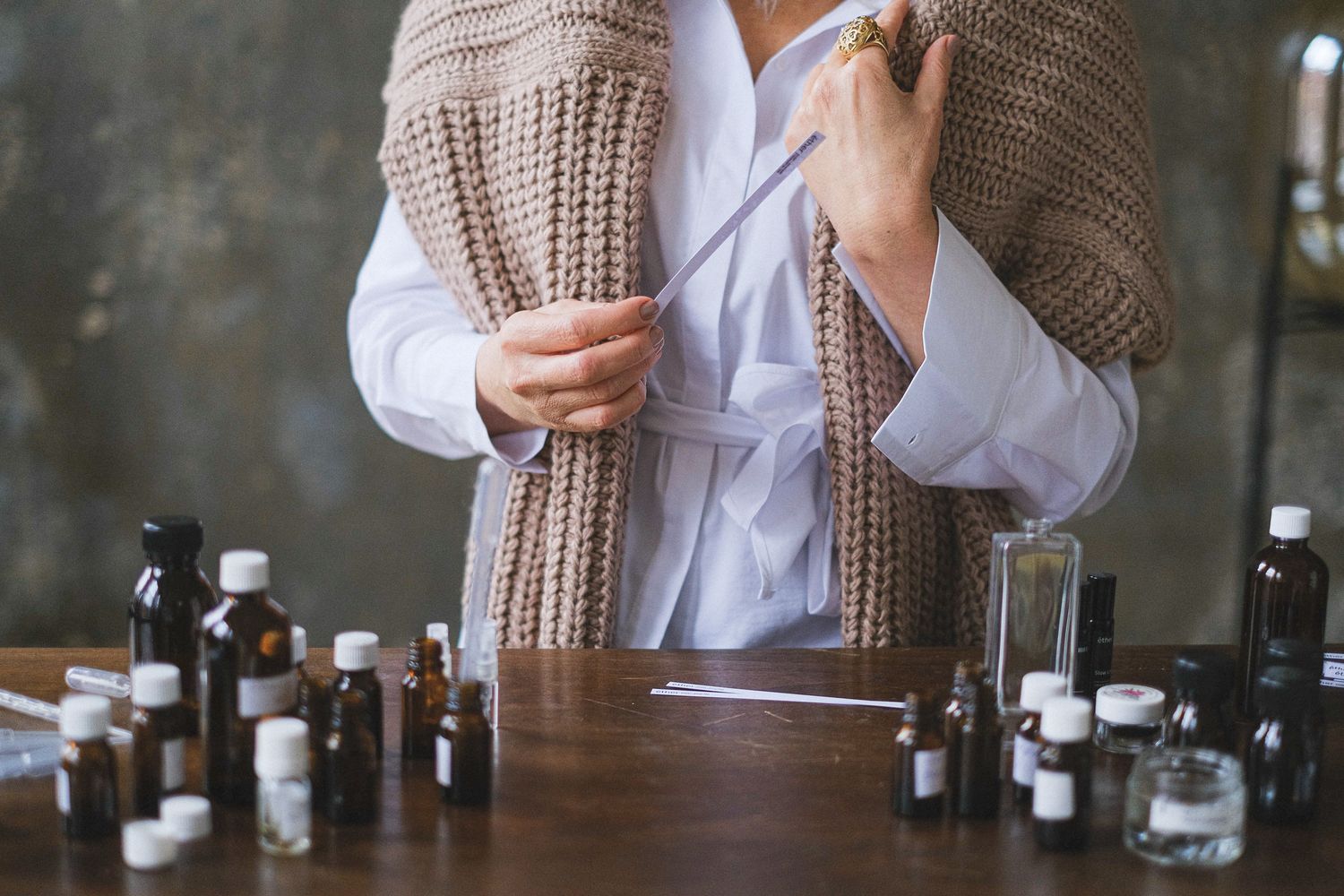
Describe evidence, not hype
Words like 'amazing' or 'luxurious' communicate enthusiasm but little decision-making value. A useful review explains scent character, evolution, performance under stated conditions and the reviewer's personal preference. Separate what you observed from what you infer. Make the reader able to predict whether the perfume might suit their taste.
State the test setup
Record the surface used, approximate dose, observation times and notable environment factors. A six-hour longevity claim is weak if you only checked at four and seven hours. A more defensible statement is 'clearly detectable at hour four; faint by hour seven under these conditions'. Detail improves credibility without overpromising a universal result.
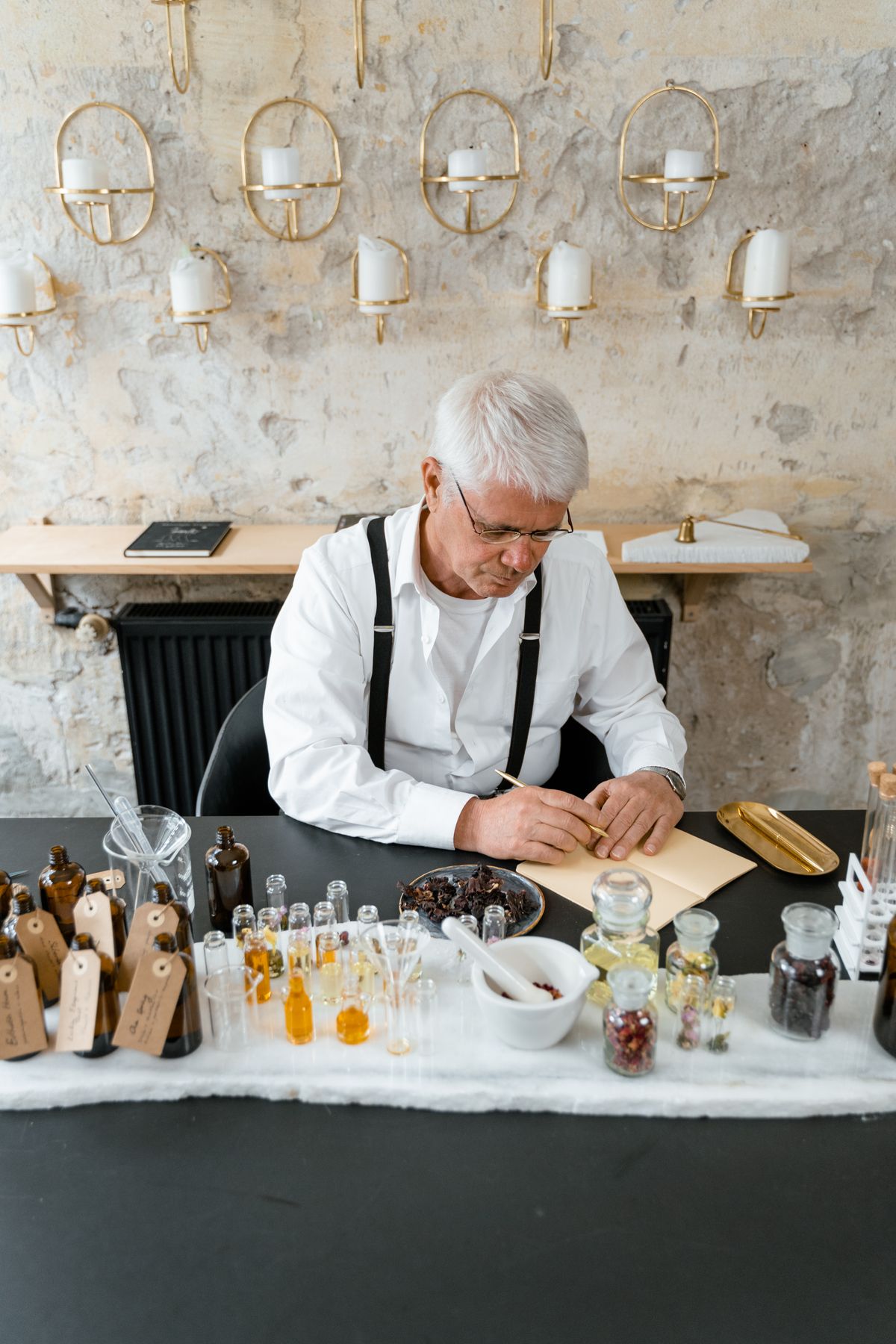
A repeatable review structure
Use five compact sections: first impression, settled character, three defining adjectives, performance with conditions, and suitable preferences or occasions. Avoid unverifiable 'better than everything else' claims. A recommendation can be specific without being absolute: 'for someone who prefers fruity sweetness with a soft woody finish'.

Rose petals are a botanical reference for a scent family. A rose note on a label does not prove the use of natural rose extract.
Open full-size image ↗Be comfortable with uncertainty
If a facet seems jasmine-like but you cannot identify it, say 'white-floral, jasmine-like'. If two atomizers differ, don't equate their spray counts with identical dosage. Uncertainty is informative, not embarrassing. Repeating the test on another day can reveal how sensitive the original impression was to circumstances.
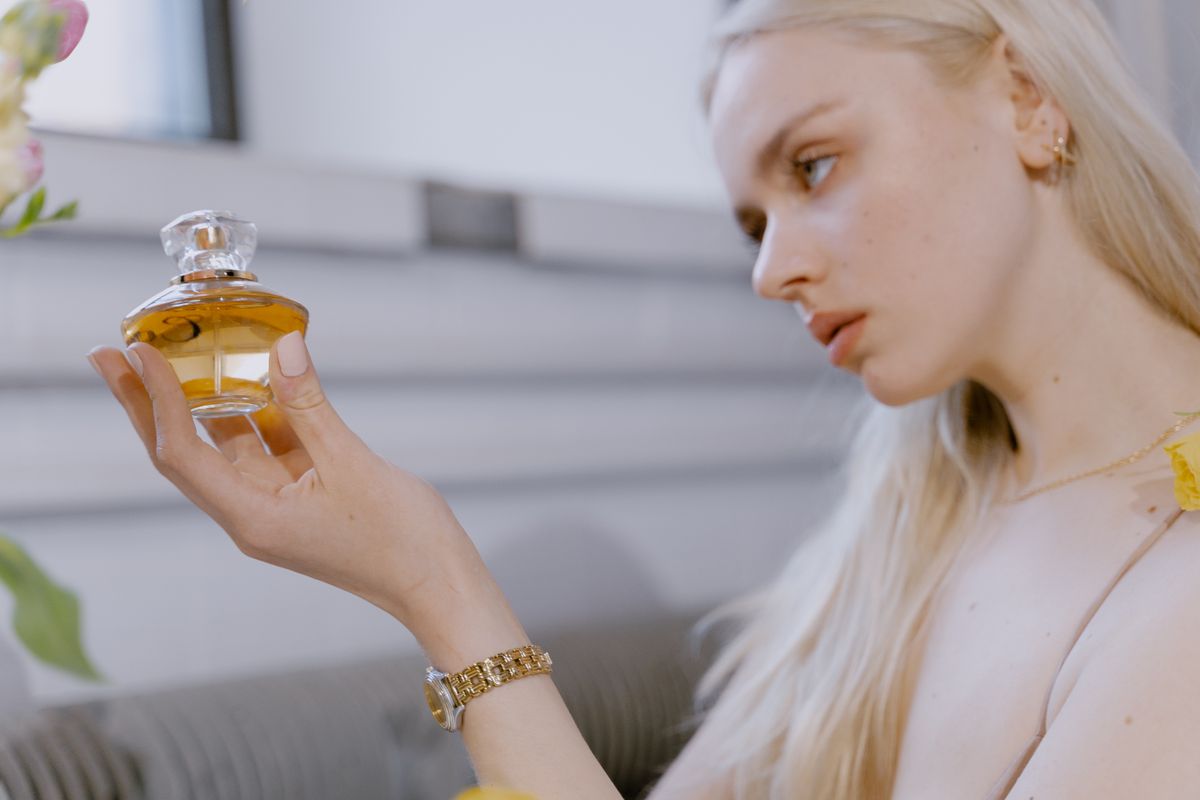
A decision-useful review example
Example: 'During the first ten minutes I noticed refreshing fruit. After thirty minutes a soft woody warmth became clearer. On a blotter, intensity was 3/5 for me; the tart facet was barely noticeable after two hours. I preferred the opening and would suggest this style to people who enjoy fruity perfumes without heavy sweetness.' It includes a surface, timing, intensity and preference without promising universal longevity or asserting unverified materials.
Make a claim only as strong as your observations
If you tested once, say 'in my test' rather than 'always lasts eight hours'. State changes in environment, application dose and surface. A fair comparison controls the most influential conditions where practical. Price and branding are separate variables, not automatically demonstrated indicators of olfactory quality.
Practical exercise
Write a 120–180 word review of an available SESH fragrance. Remove promotional adjectives unsupported by description and connect every performance claim to a stated testing condition.
Comparison guide
A five-part review template
- Opening and character
- Evolution and descriptors
- Performance and conditions
- Preference and recommendation
Observation versus opinion
- Observation: fruity then woody
- Observation: still detectable at 2 hours
- Opinion: I prefer the opening
Practice with SESH fragrances
Optional references for practice, without unverified ingredient claims or rankings.

