
Floral families: beyond just 'flowery' | SESH Academy
SESH · Intermediate Fragrance Academy
Distinguish major floral impressions without assuming particular natural extracts.

Rose petals are a botanical reference for a scent family. A rose note on a label does not prove the use of natural rose extract.
Open full-size image ↗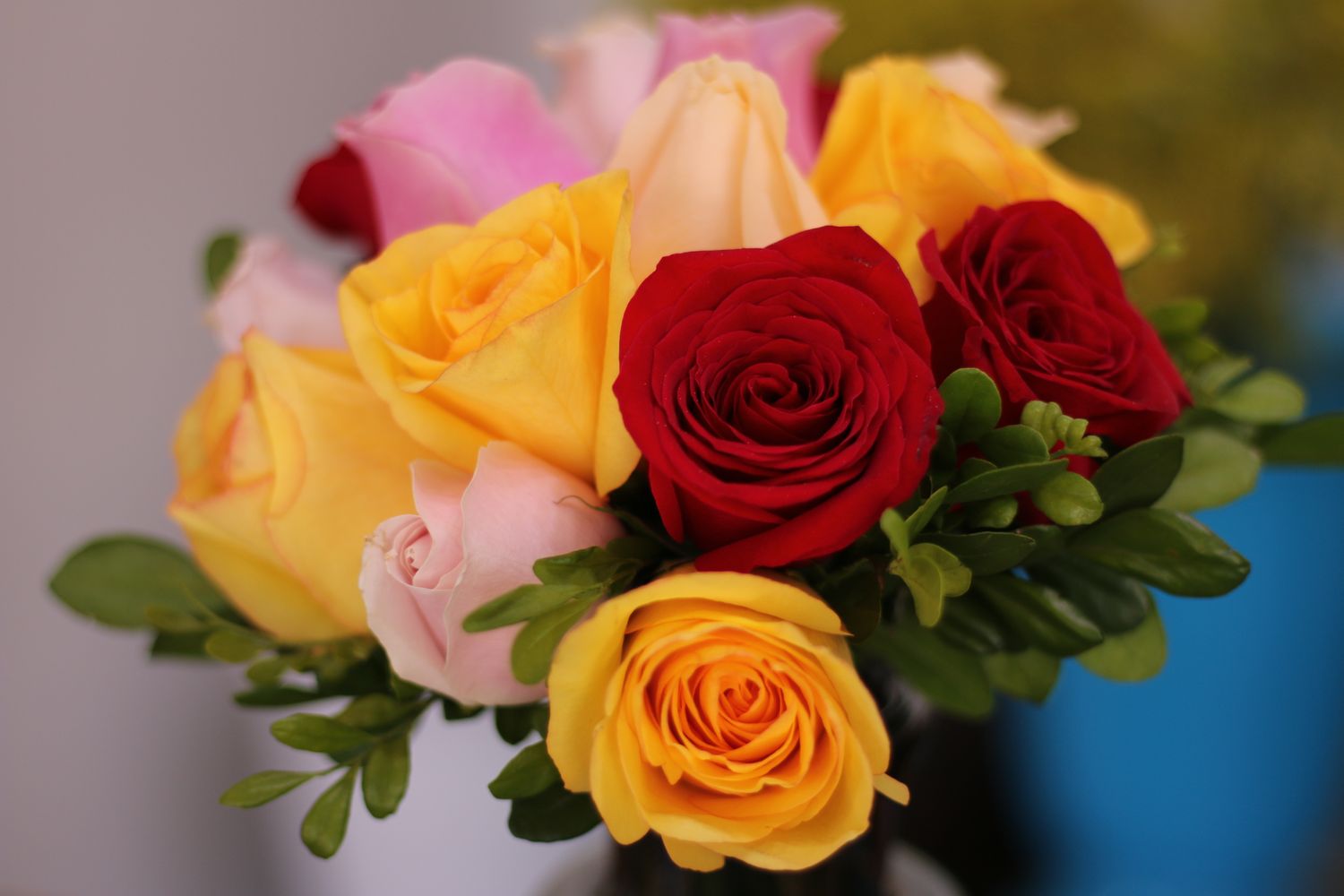
Rose is a spectrum
'Rose' can suggest fresh green petals, jammy sweetness or cosmetic powder. Perfumers may build a rose accord from several ingredients rather than relying on a single rose extract. The surrounding materials can sharpen, soften or darken that impression. Train on contrasting examples instead of assuming every rosy perfume smells alike.
White-floral character
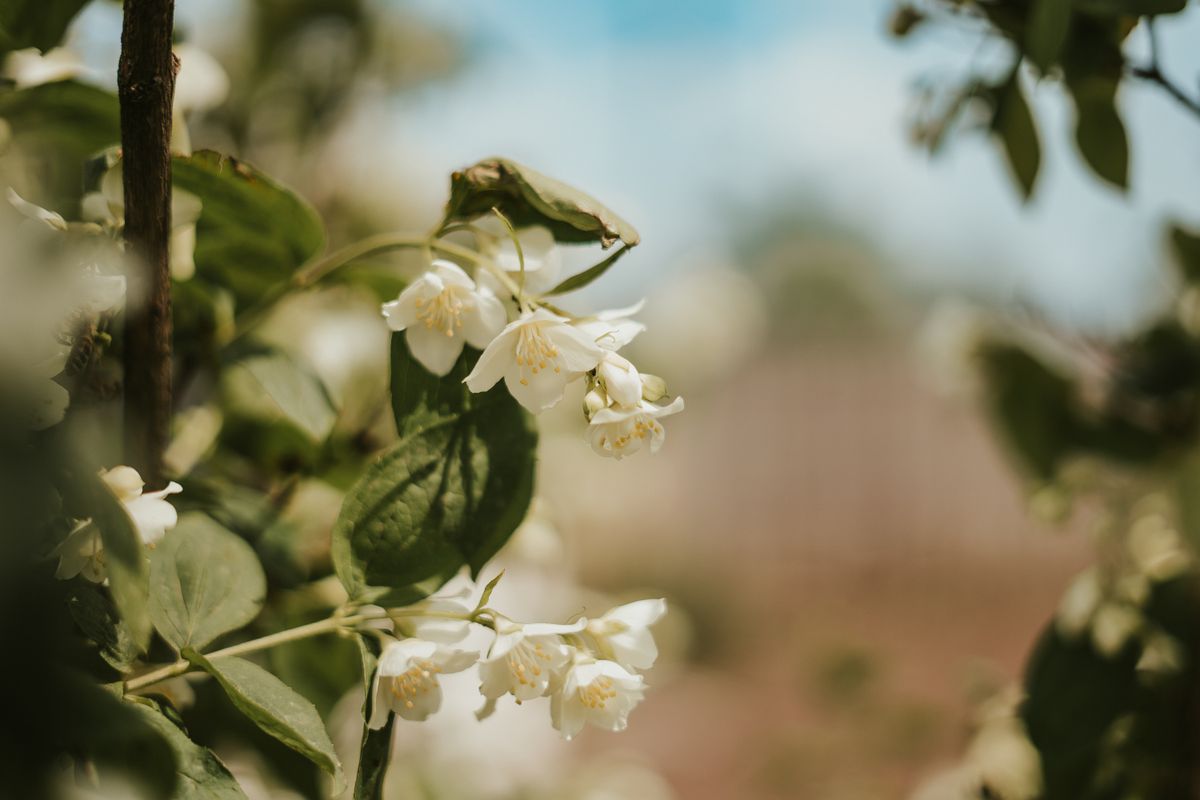
Jasmine-like accords can be airy, green, indolic or rich. Tuberose-like effects may appear creamy, intense and lush. Gardenia-inspired accords often lean green-creamy. These are families of possible impressions, not rigid rules or guarantees of the presence of a particular botanical extract.
Powdery versus dewy floral
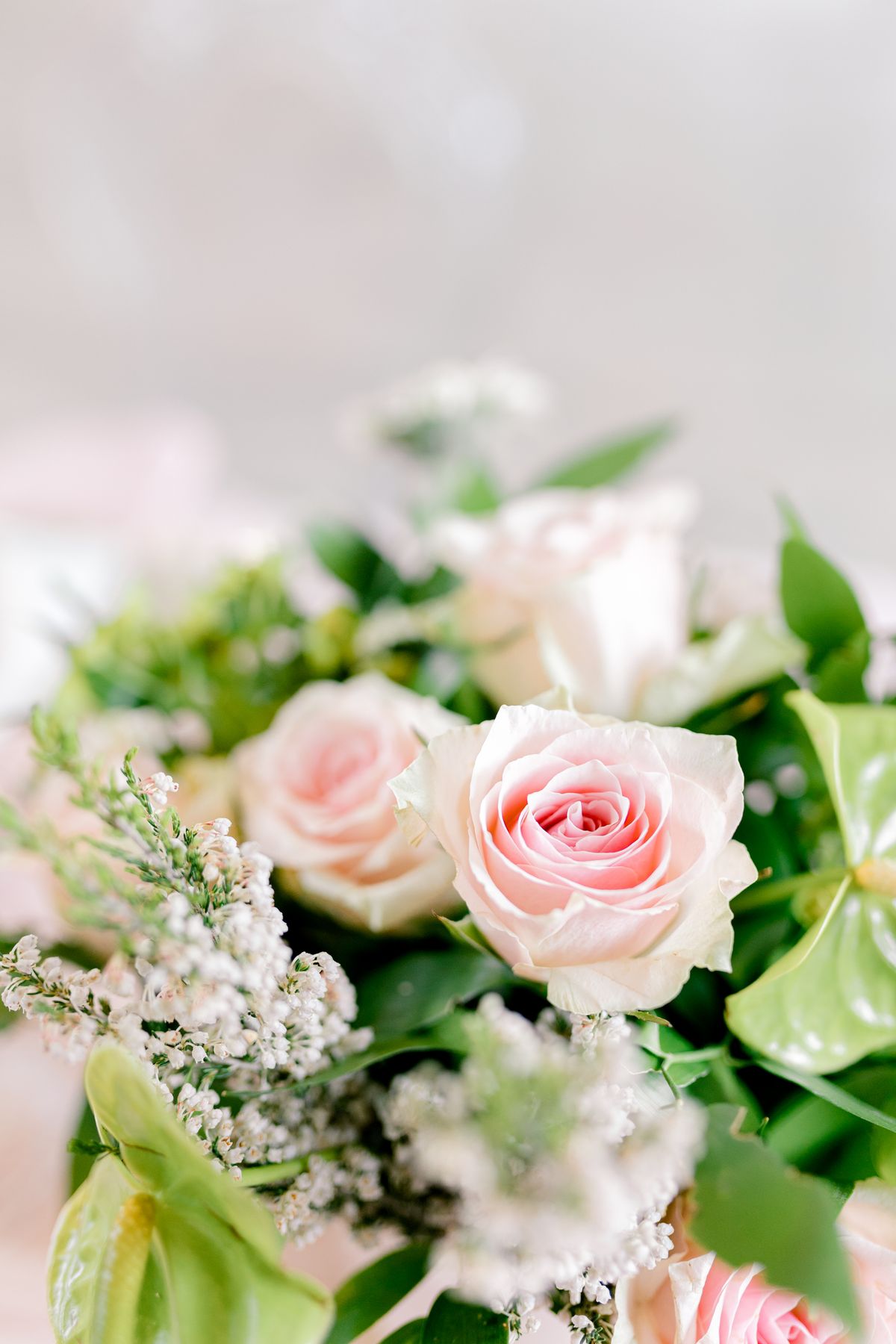
A powdery floral can evoke soft cosmetic powder, while a dewy floral feels transparent or fresh. Both are floral, but different sensory textures can make one attractive and the other unsuitable to the same person. Note perceived softness, sweetness, freshness and intensity separately when comparing.

Linalool contains an OH alcohol group. One functional group is insufficient to predict every molecule’s odour or the performance of a mixture.
Open full-size image ↗A three-sample exercise
Use three separate fragrance blotters illustrating rosy, white-floral and powdery-floral impressions. Blind the names if practical. Describe each, then rank their greenness, sweetness and powdery softness. The goal is perceptual discrimination, not proving you can identify exact molecules or botanicals.
Worked comparison: rose-like versus jasmine-like
Sample A suggests fresh green rose with a light tart edge, while sample B evokes a rich creamy jasmine-like white floral. Both belong to the floral family, yet they may appeal to very different preferences. Rate sweetness, powderiness, greenness and intensity independently, then observe which feels softer after thirty minutes. Jasmine-inspired accords can also be green, rich or indolic; avoid treating one stereotype as a universal rule.
Why reference training matters
Real flowers may help as sensory references, but a living flower need not smell identical to the perfumer's accord named after it. For practical exercises, use finished perfumes or safely prepared reference strips rather than putting concentrated aromatic raw materials on the skin. The aim is vocabulary training, not uncontrolled material handling.
Practical exercise
Blind-test three floral perfumes. Identify which seems more rose-like, white-floral or powdery and justify each label with sensory evidence.
Comparison guide
A floral character map
- Fresh green rose
- Rich jasmine-like
- Soft powdery floral
- Creamy white floral
Same floral family, different moods
- Green and fresh
- Sweet and creamy
- Soft and powdery
Practice with SESH fragrances
Optional references for practice, without unverified ingredient claims or rankings.

