
SESH · FRAGRANCE ACADEMY · INTERMEDIATE
Compare surfaces while accounting for temperature, absorption and prior products.

Skin anatomy: the epidermis sits above the dermis, with follicles and glands at different depths. Location explains a skincare target; it does not prove that a product reaches every layer.

Each surface answers a different question
A blotter provides a relatively repeatable absorbent medium for comparing openings. Skin contributes warmth, oils, moisture and residue from skincare products. Fabric absorbs and releases aromatic materials differently, and some perfumes can leave marks. No single substrate is a universal reference for how a fragrance will behave in all contexts.
What makes skin testing variable
Hydration, skin temperature, activity and scented lotions can change perceived fragrance behavior. Use finished products as directed on a suitable small area away from other fragrances. Avoid testing undiluted aromatic raw materials on skin. If irritation occurs, stop and wash the affected area.
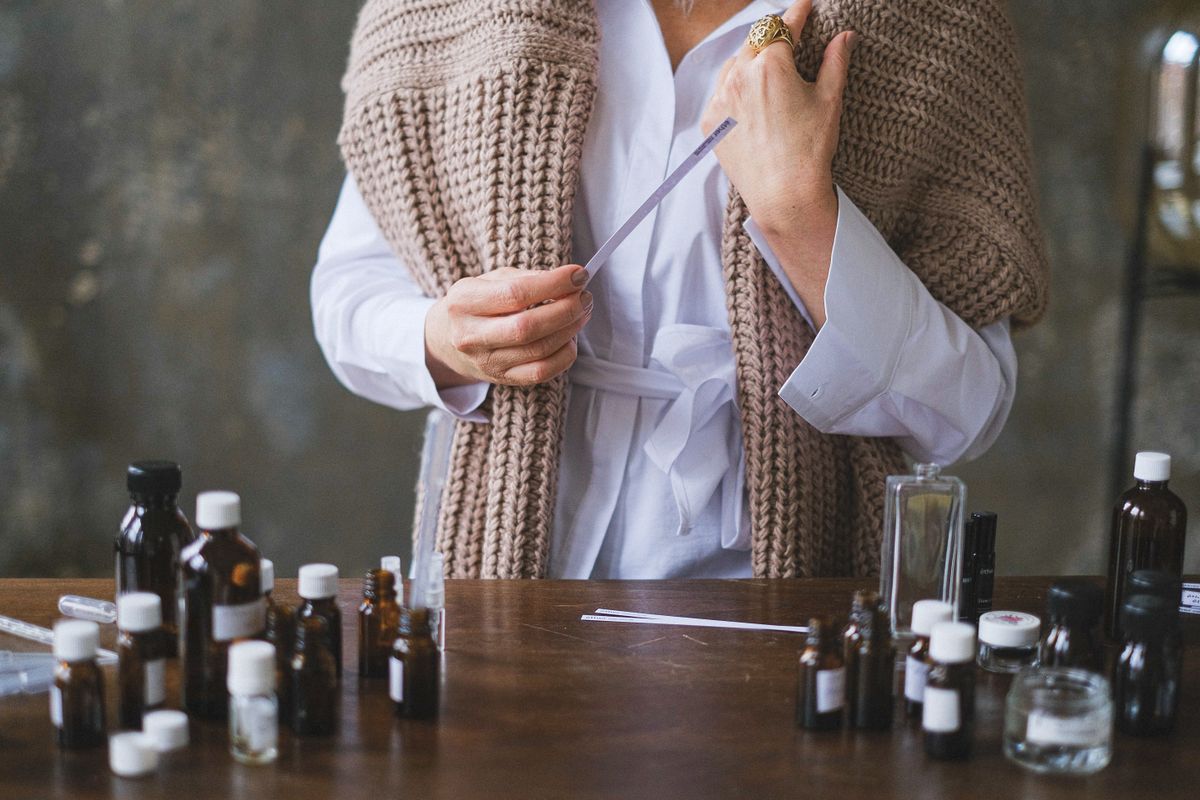
Fabric has its own behavior
Cotton, polyester and wool need not release scent the same way, and delicate fabrics or dyes may stain. Test on an inconspicuous area if the product's directions permit clothing application. Longer retention on fabric is not evidence of longer skin wear; they are separate conditions.

Particles spread from higher to lower concentration. This is a qualitative model, not a perfume longevity timeline or a measured skin absorption rate.
Open full-size image ↗Design a three-surface experiment
Test a blotter, permissible fabric swatch and suitable skin area at comparable application quantities. Keep samples apart. Note the opening character, later evolution and final detectable point, with timing and setting. If dosages or ventilation differ, clearly label the comparison as exploratory rather than controlled.
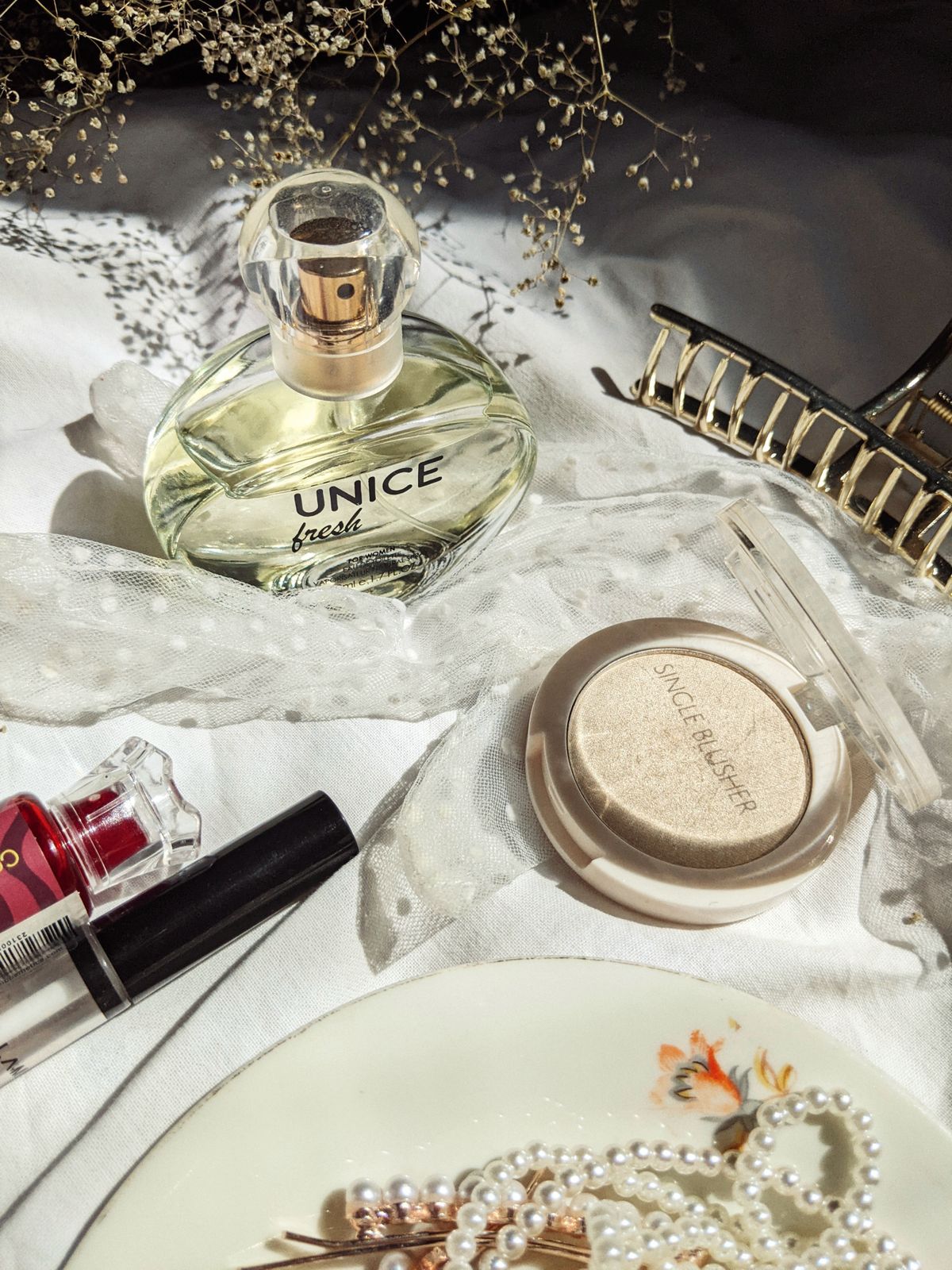
Case: clean opening becomes powdery
If a blotter suggests soft citrus but the skin test feels powderier after an hour, it does not prove a unique chemical skin reaction. Temperature, absorption, evaporation and perception could all contribute. Note possibilities and repeat another day rather than treating a single result as a definitive mechanism.
What a practical test can establish
The aim is to decide whether the fragrance suits your actual intended use, not to reverse-engineer its formula. If you intend skin wear, a safe personal skin test is more relevant than blotter testing alone. Report differences without implying they are universal or a measure of intrinsic quality.
Practice challenge
Build a blotter/skin/fabric table with dose, airflow and time. Compare two checkpoints without equating longer detection with superior quality.
Key concept map
Three substrates
- Blotter: comparison
- Skin: personal wear
- Fabric: absorption and stains
Conditions to record
- Application quantity
- Elapsed time
- Surface type
- Airflow
Try the analysis on SESH fragrances
These are optional references for comparison, not evidence of a specific ingredient or superiority claim.
Further reading
The Perfume Society: fragrance FAQs · IFRA fragrance standards

