
pH, stability and packaging in finished skincare formulas
SESH ACADEMY · INTERMEDIATE SKINCARE
pH, stability and packaging in finished skincare formulas
Recognise why pH and packaging can matter without pretending to assay a formula.
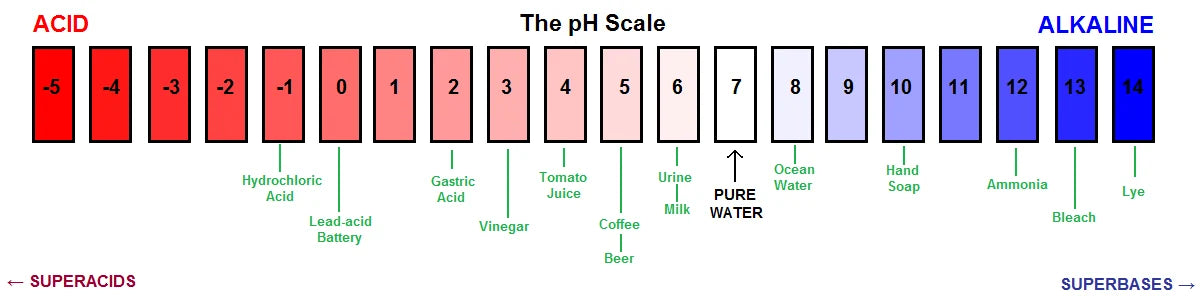
Compare the acidic, neutral and alkaline parts of the pH scale. A pH value alone does not determine exfoliation strength or skin compatibility.
pH is context-dependent
pH influences ionisation and performance of certain acids and ingredients, but a low number does not automatically make every cosmetic more effective. Finished-product testing considers formulation, use, tolerance and stability rather than pH in isolation.
Packaging can change exposure
Some antioxidants and less stable actives can be affected by light, oxygen or heat. Air-restrictive pumps can reduce exposure compared with open jars in certain contexts but cannot guarantee ingredient stability. Storage directions and stability testing matter.
Visual clues are limited
Changes in texture, odor or color can prompt checking expiry and manufacturer guidance, but visual inspection cannot quantify remaining active content. Avoid diagnosing a particular chemical degradation pathway without testing.

Oxidation, packaging and ingredient stability — a published visual reference for the topic, not SESH product-test data.
Open full-size image ↗Apply this to a realistic case
Case: serum frequently exposed to air
Someone ranks two formulas for stability solely by bottle color without test data.
Reasoned next step: Review packaging, storage and actual stability evidence.
The pitfall to avoid
Using one pH number to rank every formula.
Related Ingredient Dictionary entries
Related SESH product examples
These illustrate product roles and ingredient lists, not proof that the products clinically treat every condition described.
Evidence and further reading
Educational information for understanding decisions. It does not diagnose or replace medical advice.

