SESH Academy

Full topic reading

From the basics to the details

Choose a cleanser that cleans comfortably

What does a cleanser remove?

Skin collects oil, sweat, sunscreen, makeup and environmental residue. Water alone does not easily remove every oily film. Cleansing agents help oily residue disperse in water and rinse away. The goal is removal of residue, not removal of every natural lipid or a squeaky, dry finish. A rinse-off cleanser also has much shorter contact time than a leave-on cream.
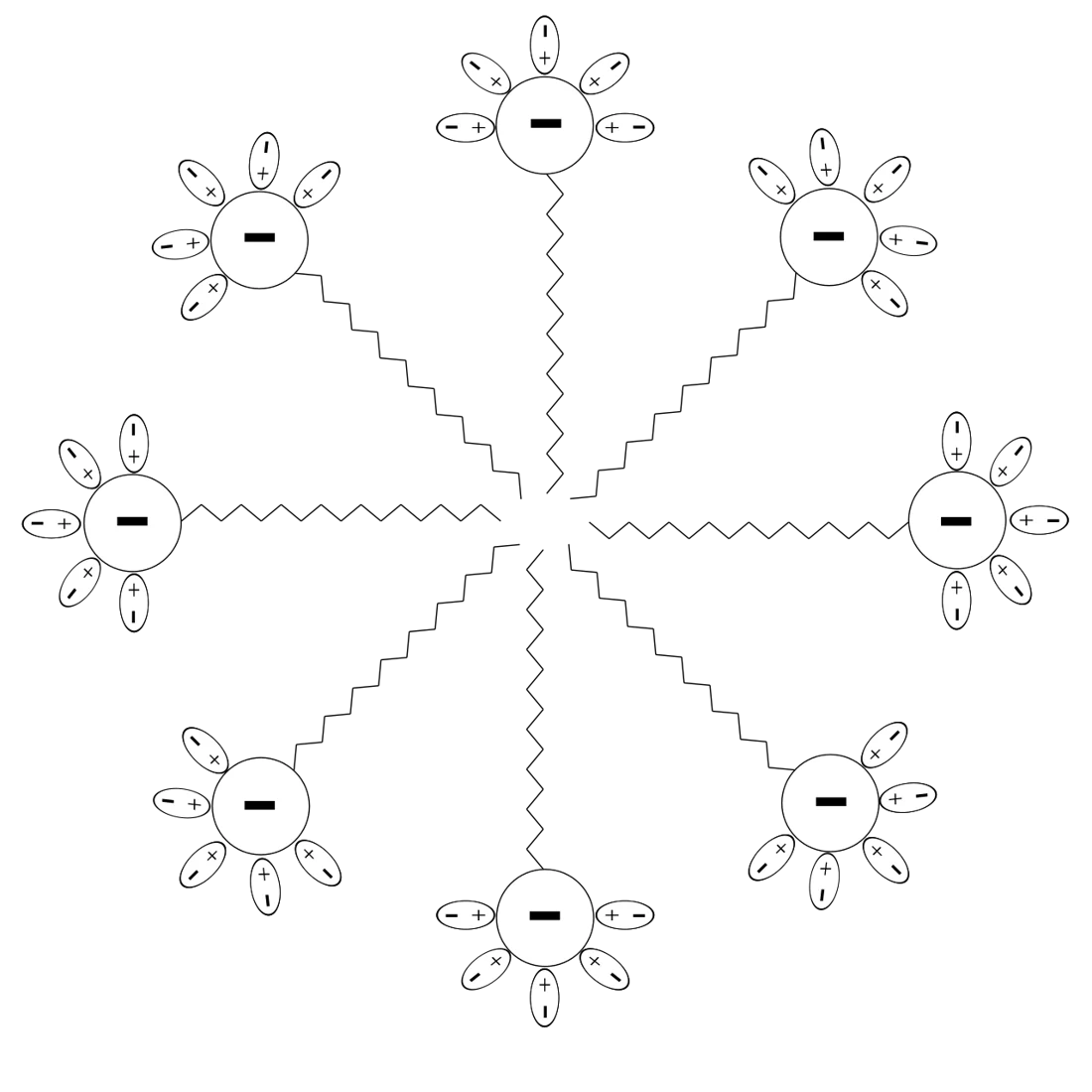
Water-loving heads face outward and oil-loving tails inward. This models surfactant assembly in water; cleanser performance depends on the whole formula.

Water-loving heads face outward and oil-loving tails inward. This models surfactant assembly in water; cleanser performance depends on the whole formula.

Image source · KifoPublic domainCompressed display copy; illustration content retained.
Open full-size image ↗

Foam and texture do not tell the whole story

Gel does not always mean oily-skin only, cream does not always mean dry-skin only, and more foam does not mean better cleaning. Judge what the cleanser removes and how your skin feels after rinsing. Comfortable cleansing without unwanted residue is more useful than foam volume. A gentle label is a starting point; actual tolerance matters, especially with stinging or a skin condition.

Makeup removal: one step or two?

If one cleanser comfortably removes the day's residue, double cleansing is not compulsory. Waterproof makeup or a persistent film may benefit from an appropriate remover followed by a gentle cleanser. Follow each product's directions without repeated rubbing with cotton or towels. Use lukewarm water and fingertips, then pat dry. Repeated washing whenever shine appears can add discomfort rather than solve it.

Why cleansing works

Surfactant molecules contain a water-friendly part and an oil-friendly part. They help oily sunscreen residue, sebum and dirt mix with rinse water and leave the skin. More foam does not automatically mean stronger cleaning or better gentleness. Judge the result after rinsing: did residue come away without noticeable tightness or stinging?

Oil droplets dispersed in water: a real emulsion example, not a photograph of a SESH formula or proof of cream efficacy.

Oil droplets dispersed in water: a real emulsion example, not a photograph of a SESH formula or proof of cream efficacy.

Image source · Shubha subaCC BY-SA 4.0Existing Academy display copy.
Open full-size image ↗

Do you actually need a double cleanse?

Not by default. Waterproof makeup and stubborn product films may benefit from a dedicated remover before cleansing. But if one suitable cleanser removes your everyday residue comfortably, a second step is not a scientific requirement. Match the method to what needs removing instead of collecting steps for their own sake.

A useful decision map

  1. If persistent tightness follows washing, reassess cleanser strength, frequency and water temperature.
  2. If makeup or sunscreen remains, choose a suitable removal method rather than scrubbing harder.
  3. If a cleanser causes burning or rash, stop using it and investigate; discomfort is not proof of deep cleansing.

The best routine cleanser is one that works consistently and comfortably, not the one that produces the most dramatic squeaky-clean feeling.


Sources and further reading

One cleanse or two? Compare the actual need

Three days, different needs

DayObservationSuitable decision
No makeupOne cleanser removes residue comfortablyNo automatic need for a second step
Waterproof makeupPersistent residue around the eyesSuitable remover and gentle directions rather than harder rubbing
Irritated skinStinging worsens with each washReview cleanser, frequency and irritating steps

Why is the ingredient list not the whole result?

Niacinamide in a cleanser does not mean the same exposure as niacinamide in a serum. One is rinsed off after a short directed contact period; the other may remain for hours. This does not make every cleanser addition useless, but a long-term brightening or hydration claim needs evidence for that product and use. Do not invent extra contact time to turn a cleanser into a mask.

Make a fair cleanser comparison

Use each cleanser as directed with comparable residue where possible. Record leftover makeup, rubbing required and tightness after rinsing. Comparing one after heavy makeup with another on a bare-skin day does not establish a winner. The aim is adequate comfortable cleansing, not elimination of every oily sensation.

Scenario: an everyday sunscreen day versus waterproof makeup

On an ordinary sunscreen-only day, one suitable cleanser may do the job. Waterproof makeup can be different and may need a dedicated remover first. Do not assume all sunscreens require an oil cleanser or that double cleansing is automatically superior. Product type and actual residue matter.

A useful comparison

  1. Keep the remaining routine similar over two comparable days.
  2. Start with the least complicated method that removes residue without scrubbing.
  3. Check visible residue and how skin feels immediately after rinsing and an hour later.

If skin burns or feels stripped despite effective removal, adding a third cleanser is unlikely to solve it. Review total cleansing, water temperature and friction.

Sources and further reading

Cleanser formulation: beyond foam and pH

How does oil leave with rinse water?

Water alone does not readily mix with oils. A surfactant has a water-loving part and an oil-preferring part. In a formula, these molecules can form groups called micelles: oil-preferring parts face inward and water-loving parts outward. This helps oily material leave with rinse water. The diagram explains the principle, not a universal micelle size or identical cleanser performance.

Heads face outward toward water; tails point inward away from it. This depicts surfactant organization in a micelle, not a skin cross-section.

Heads face outward toward water; tails point inward away from it. This depicts surfactant organization in a micelle, not a skin cross-section.

Kifo · Public domain · Licence · Open the image to enlarge

The blend matters more than one ingredient name

Surfactants differ in charge and structure, and formulas often combine types to adjust cleansing, foam and feel. One listed ingredient alone cannot establish the irritation potential of the finished cleanser. Concentration, the blend, contact time and rinsing matter. Even a tolerable cleanser can become uncomfortable with repeated washing, hot water and prolonged rubbing.

pH describes a property, not a gentleness certificate

pH describes acidity in an aqueous environment. Traditional soap is often alkaline, whereas other cleansing systems can be adjusted differently. Two cleansers at the same pH can still differ in surfactants, fragrance, feel and tolerability. Foam consists of stabilized air bubbles; it is not a meter of removed dirt.

What makes a useful comparison?

First define the load: everyday oil or water-resistant makeup? Compare removal and after-wash comfort using similar amounts, contact times and rinsing. A cleanser that removes makeup but persistently stings is unsuitable for you; a comfortable one that leaves the required load behind needs a different approach. Do not prolong contact with an exfoliating cleanser to obtain an unlabelled benefit.

Critical micelle concentration is not a product-quality score

Surfactants have water-affinitive and oil-affinitive regions, and some form micelles above characteristic concentrations under given conditions. But a finished cleanser depends on mixed surfactants, solvents, supportive ingredients and rinse behavior. One surfactant name or one pH value cannot establish that the entire formula is “gentle” or “harsh.”

Why cleanser evaluation requires multiple measures

Laboratory tests can assess residue removal or tolerance, but real use also depends on rubbing time, amount, frequency and the starting skin condition. A highly foaming cleanser that is effective and well tolerated should not be rejected merely because of its foam. A skin-like pH does not negate severe stinging or irritation if it occurs.

Sources and further reading
Educational diagram illustrating this lesson topic
Conceptual illustration, not a measured product-test result.

UNDERSTAND → APPLY

Cleaning well is not the same as foaming more

Surfactants lift oils and dirt, but excessive contact time, friction or washing frequency can undermine comfort. Foam volume is not a reliable efficiency test.

If wearing makeup or resistant sunscreen, a suitable first removal step followed by gentle cleansing may beat vigorous rubbing. Double cleansing is not obligatory every day.

Ask whether skin feels clean yet comfortable after rinsing. Persistent tightness or stinging is a reason to reassess technique or formula.

\n\n
