
Types of cleansers
Beginner · SESH Academy
Learn the mechanism and apply it to a practical routine.
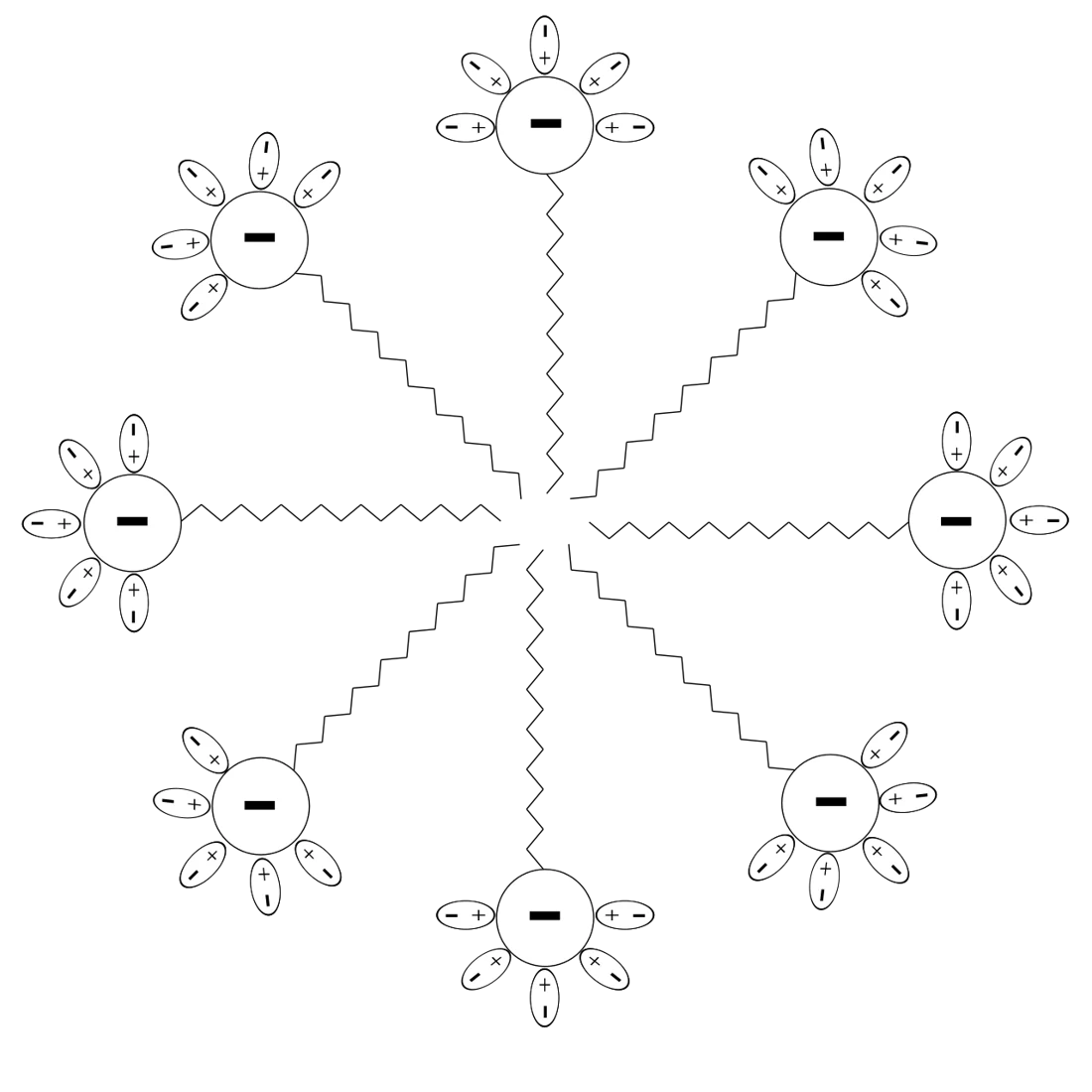
Water-loving heads face outward and oil-loving tails inward. This models surfactant assembly in water; cleanser performance depends on the whole formula.
Open full-size image ↗Science made simple
Surfactants help water lift oils and residue. Cleaning strength depends on type, concentration, contact time and rinse technique, not foam height. The goal is effective cleansing without persistent post-wash tightness.
What changes the result
Gels can feel light, foams airy, creams cushioning and oils or balms useful for dissolving makeup. These are texture clues, not rules: one gel can be gentler than a poorly formulated cream.
Apply it to a real routine
Use lukewarm water and fingertips, avoid rough rubbing and follow directions. Cleansing morning and night or after sweating may suit many people. If every wash stings, switch to a more comfortable formula rather than seeking more foam.
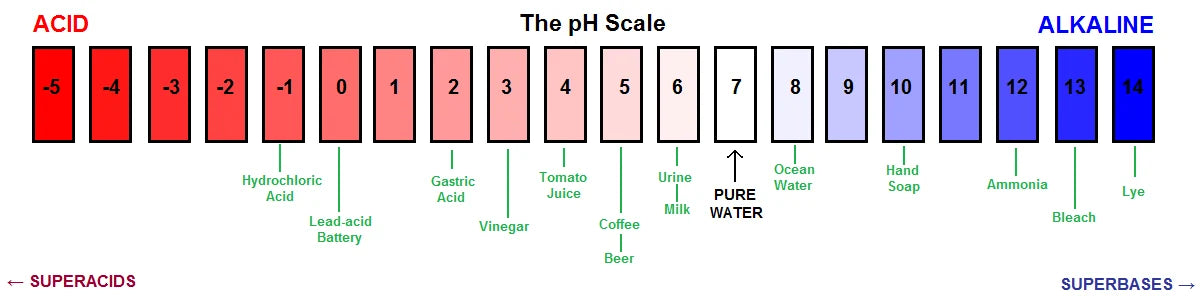
Compare the acidic, neutral and alkaline parts of the pH scale. A pH value alone does not determine exfoliation strength or skin compatibility.
Cleaning versus removal
Water-based cleansers are designed to rinse away with water. Oils and balms may help dissolve stubborn oil-soluble residues, but are not interchangeable with every water-based cleanser. Surfactant balance, pH, contact time and rinse-off behavior matter more than the name 'gel' or 'foam'.
Choosing based on a useful test
For example, combination skin may feel oilier during summer. Choose a cleanser that leaves skin clean yet comfortable half an hour later. Watch for flaking or stinging. Less foam does not mean poor cleansing, and extra washing is not acne treatment. Test makeup removal separately from basic cleansing.
Explore the full curriculum in SESH Skincare Academy.

