
SESH · FRAGRANCE ACADEMY · INTERMEDIATE
Evaluate leading, supporting and contrasting facets without guessing ingredient ratios.

Linalool contains an OH alcohol group. One functional group is insufficient to predict every molecule’s odour or the performance of a mixture.
Open full-size image ↗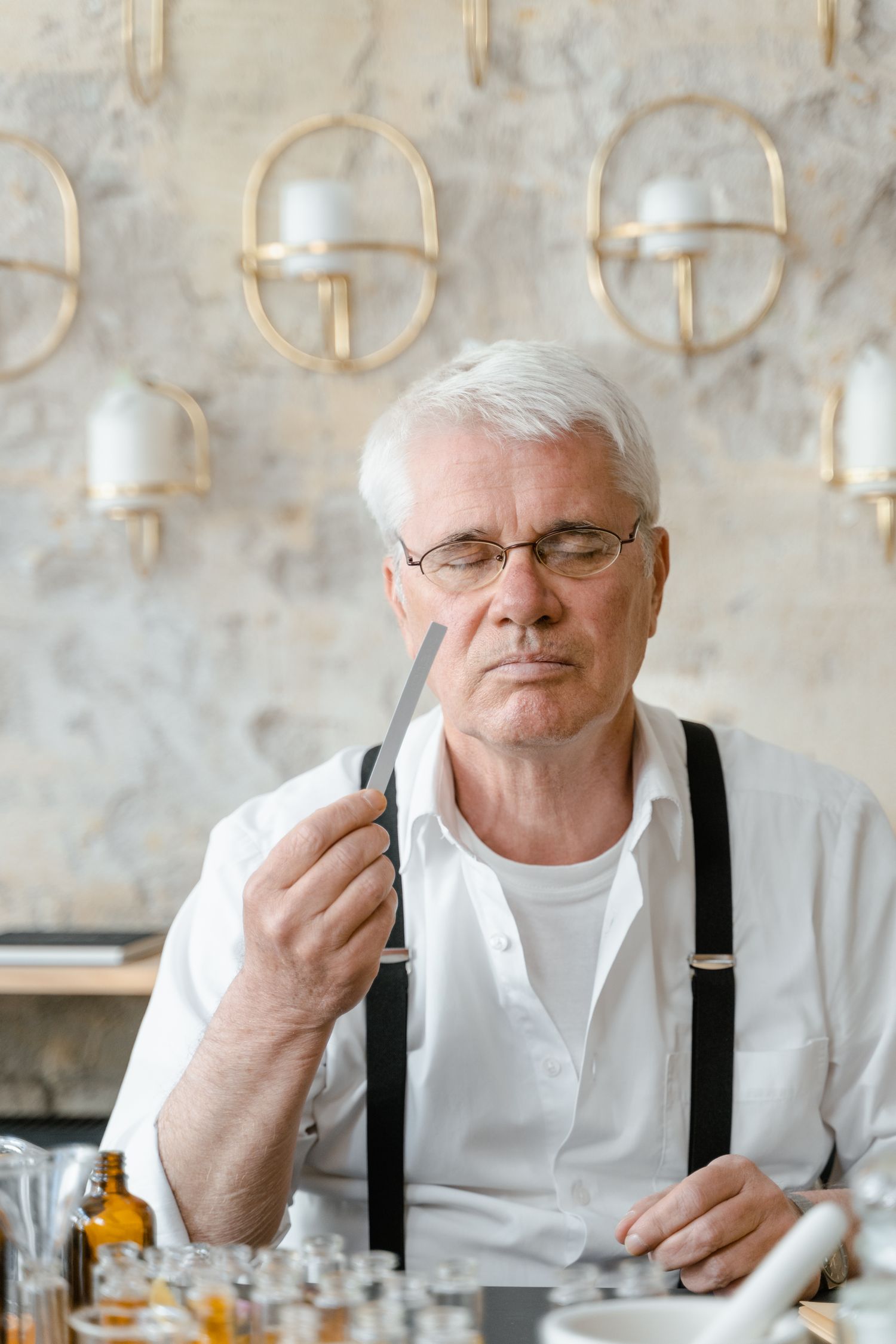
An accord can be more than the sum
An accord is a unified impression arising from several aromatic facets: perhaps fruity-floral or vanilla-wood. Each part need not remain separately detectable. A zesty edge can make sweetness feel less heavy, while a dry woody facet can give definition to a creamy base. Perceived balance is not a laboratory measurement of raw-material percentages.
Lead, support and contrast
Sort your observations into roles. The lead establishes identity, support reinforces it, and contrast adds an opposing quality without necessarily replacing the central style. For example, a rich rose-like lead may have a soft clean musk support and a tart fruity contrast. If the fruity facet dominates for two minutes then recedes, the timeline matters more than declaring the entire fragrance unbalanced.
When contrast becomes muddiness
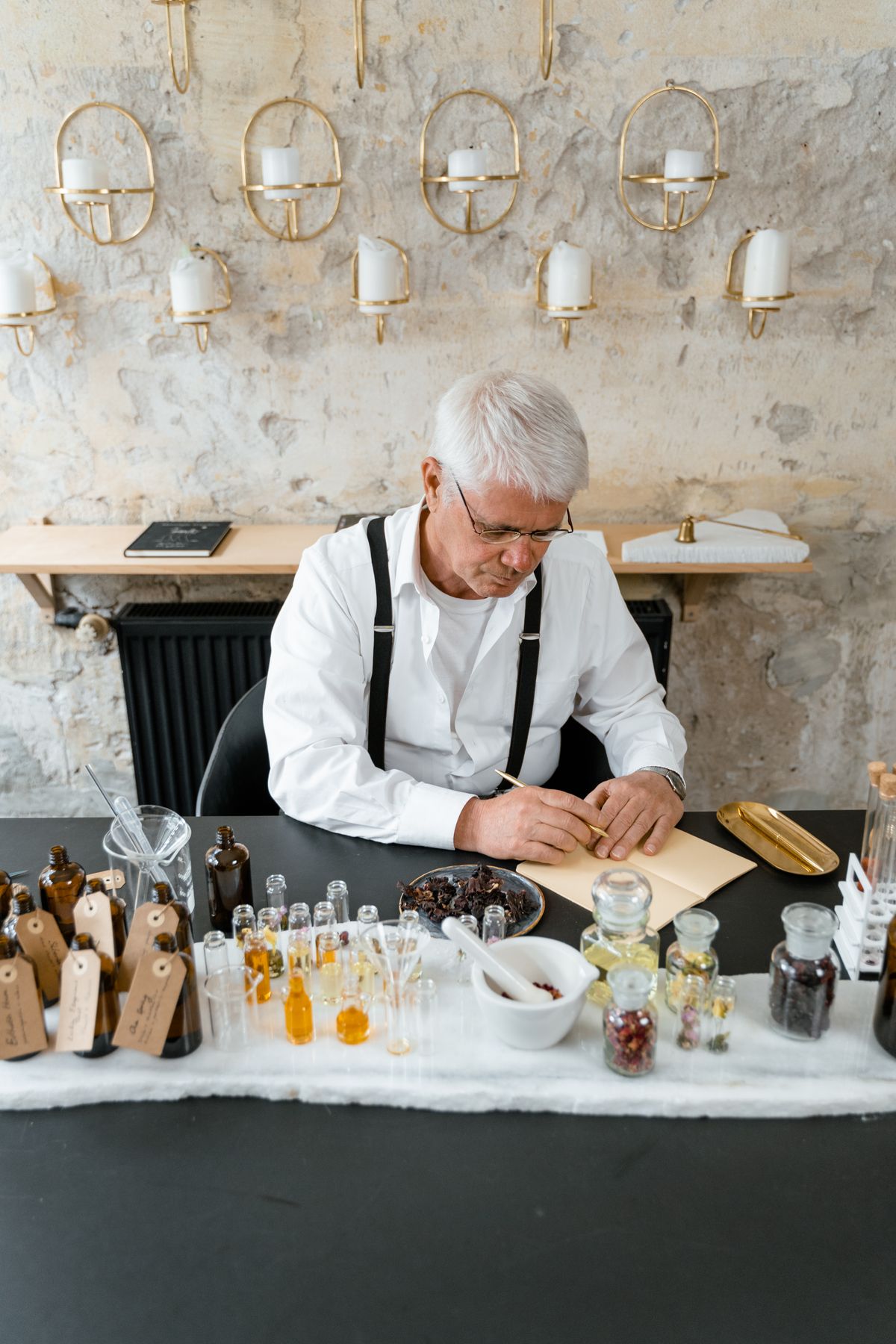
Balance does not require equal loudness. If conflicting facets make a scent difficult to characterize, document the confusion rather than disguising it. Compare a tart fruit with a light vanilla accent against the same fruit with prominent vanilla: one might feel more open, the other sweeter, yet the preferred outcome depends on the wearer and purpose. More named notes do not automatically mean greater quality.

Compare vanillin with a vanilla pod: one is a specified chemical and the other a complex botanical material. A vanilla note is a broader sensory description.
Open full-size image ↗A blind comparison protocol
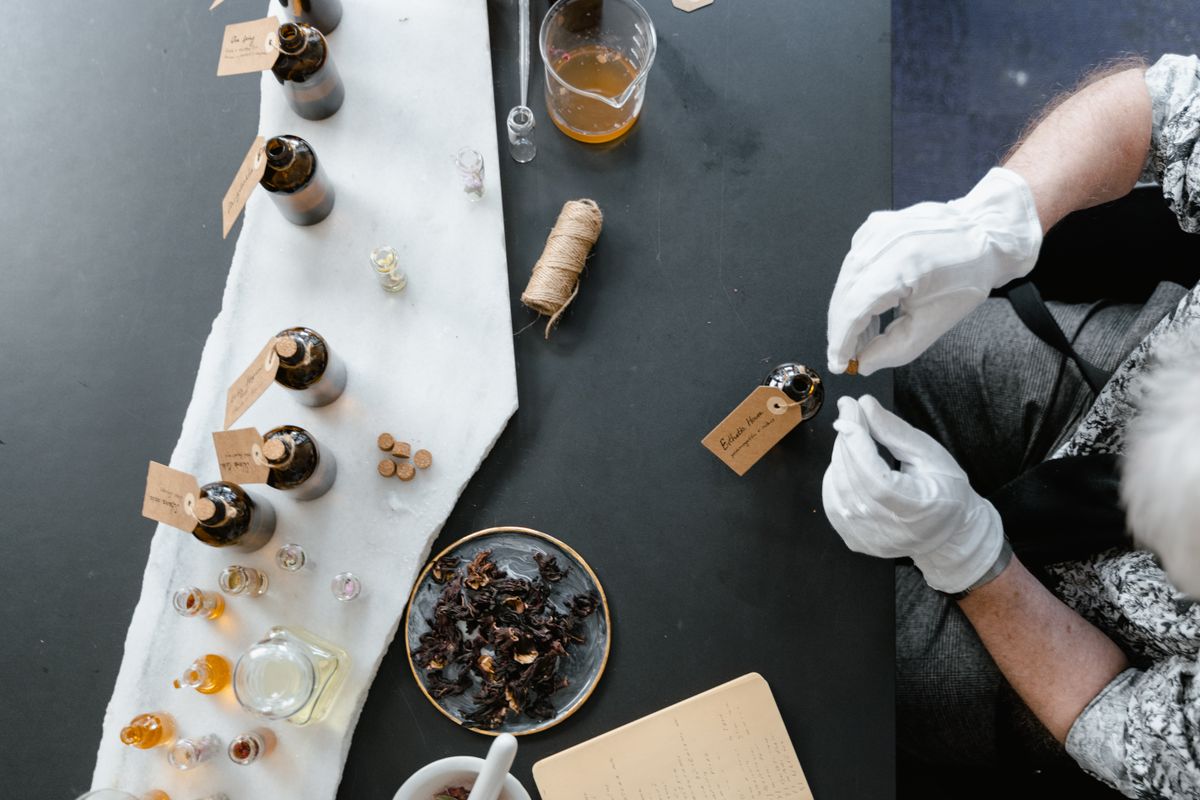
Use two similarly dosed blotters, code them without revealing names, and record each facet's role and intensity at 5, 30 and 90 minutes. Read marketing notes only after the first independent description. Repeat with positions swapped. This reduces expectation bias and yields a comparable record rather than a prewritten narrative.
Case study: sweetness needs an edge
Suppose a strawberry-dessert impression feels brighter when a citrus-peel facet accompanies the opening. That does not mean the vanilla-like materials chemically decreased. If the citrus fades and dessert warmth takes over after an hour, the contrast was temporary. Describe the evolving impression, not an unverified formulation change.
Limits of a balance judgment
Subtlety may be intentional, and an abrupt shift may be a creative choice. Say 'the transition felt sharp to me' rather than claiming the formula is defective. Ask whether the wearer is seeking office comfort, evening impact or an artistic scent experience. A usable balance assessment considers purpose as well as preference.
Practice challenge
Create lead/support/contrast maps for two scents, then repeat an hour later. Mark which roles changed and which remained stable.
Key concept map
Roles inside an accord
- Lead: establishes identity
- Support: reinforces
- Contrast: adds distinction
- Result: one composite personality
Three moments to compare
- 5 minutes: opening
- 30 minutes: integration
- 90 minutes: remaining character
Try the analysis on SESH fragrances
These are optional references for comparison, not evidence of a specific ingredient or superiority claim.
Further reading
The Perfume Society: fragrance FAQs · IFRA fragrance standards

