
Amber, spice, resins and oud-like depth | SESH Academy
SESH · Intermediate Fragrance Academy
Distinguish sweet amber warmth, spice, resinous balsamic depth and oud-like wood.

Vanilla pods are a real botanical source. A vanilla note can be created with different materials and does not prove the presence of pods or extract.
Open full-size image ↗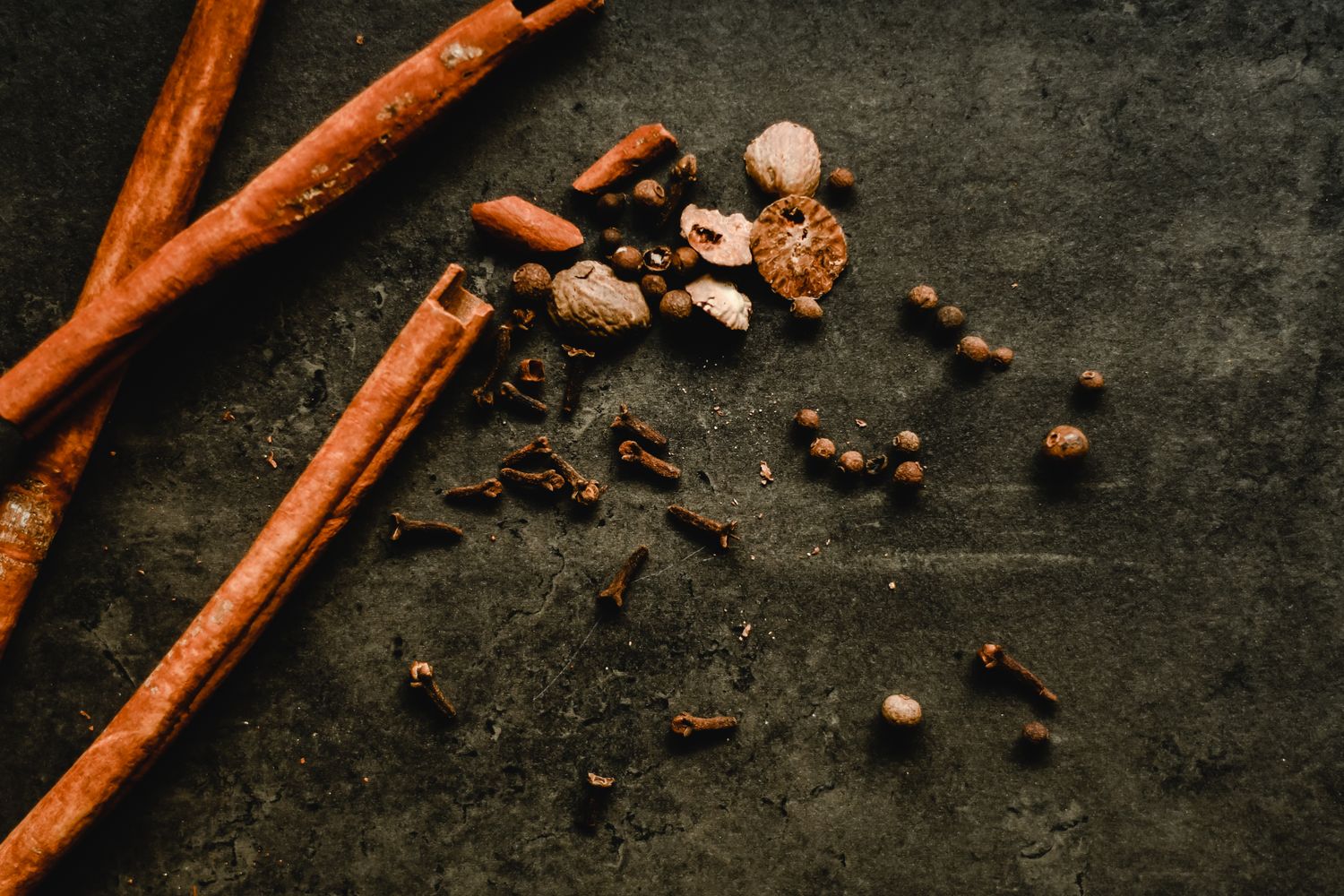
Amber is a fragrance style
Modern perfumery 'amber' commonly refers to a warm accord rather than literal fossil amber. It may evoke vanilla-like sweetness, balsamic resin and rounded depth, while other amber-style materials create a dry woody or bright mineral-amber impression. The word does not identify one universal ingredient or formula.
Spices have different personalities
'Spicy' needn't mean hot chili. Cinnamon-like facets suggest sweet warmth, cardamom can feel cool and aromatic, and pink pepper can add a sparkling edge. Spicy effects can appear at different stages. The sensory idea of warmth is not the same as actual burning or skin irritation, which is not a desired perfume effect.
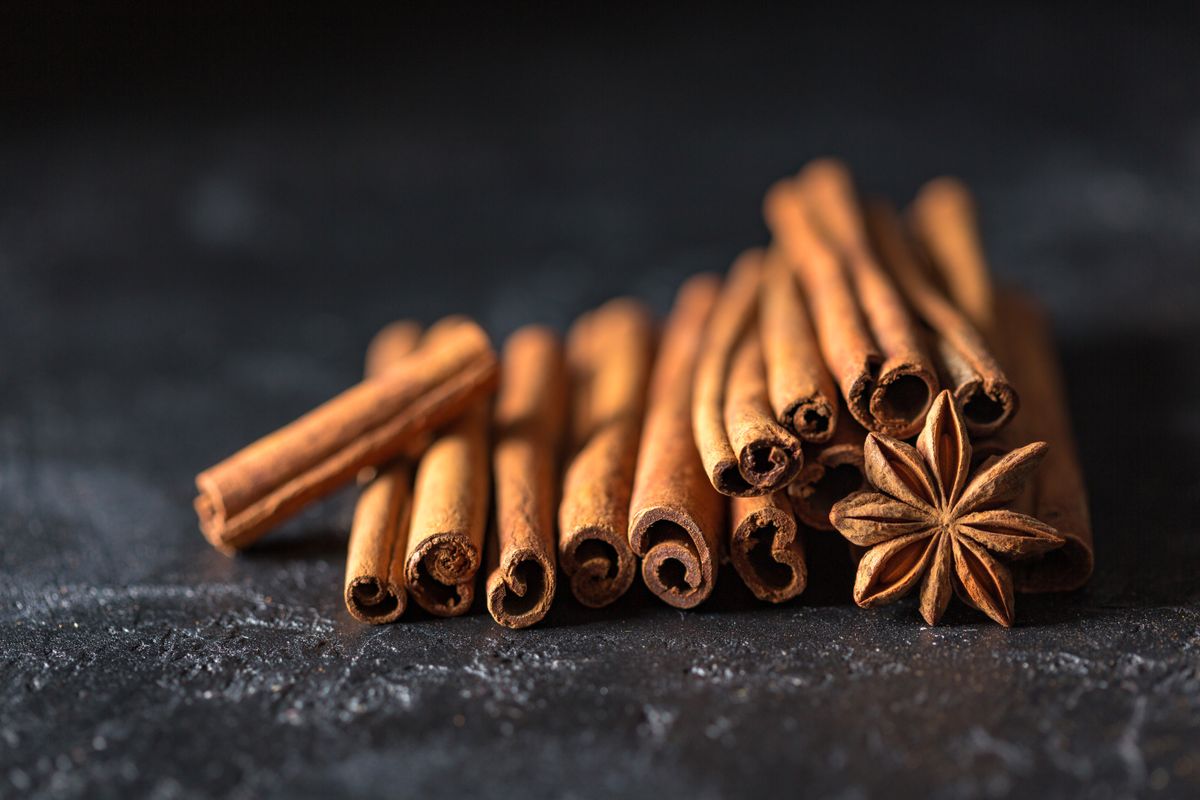
Resinous and balsamic depth
Frankincense-inspired notes, benzoin-like sweetness and labdanum-like balsamic depth can create distinct resinous effects ranging from airy incense to warm sweetness or leathery facets. An incense note does not mean actual smoke is emitted by the perfume. Distinguish dry incense, sweet balsamic warmth and leathery resin when evaluating.

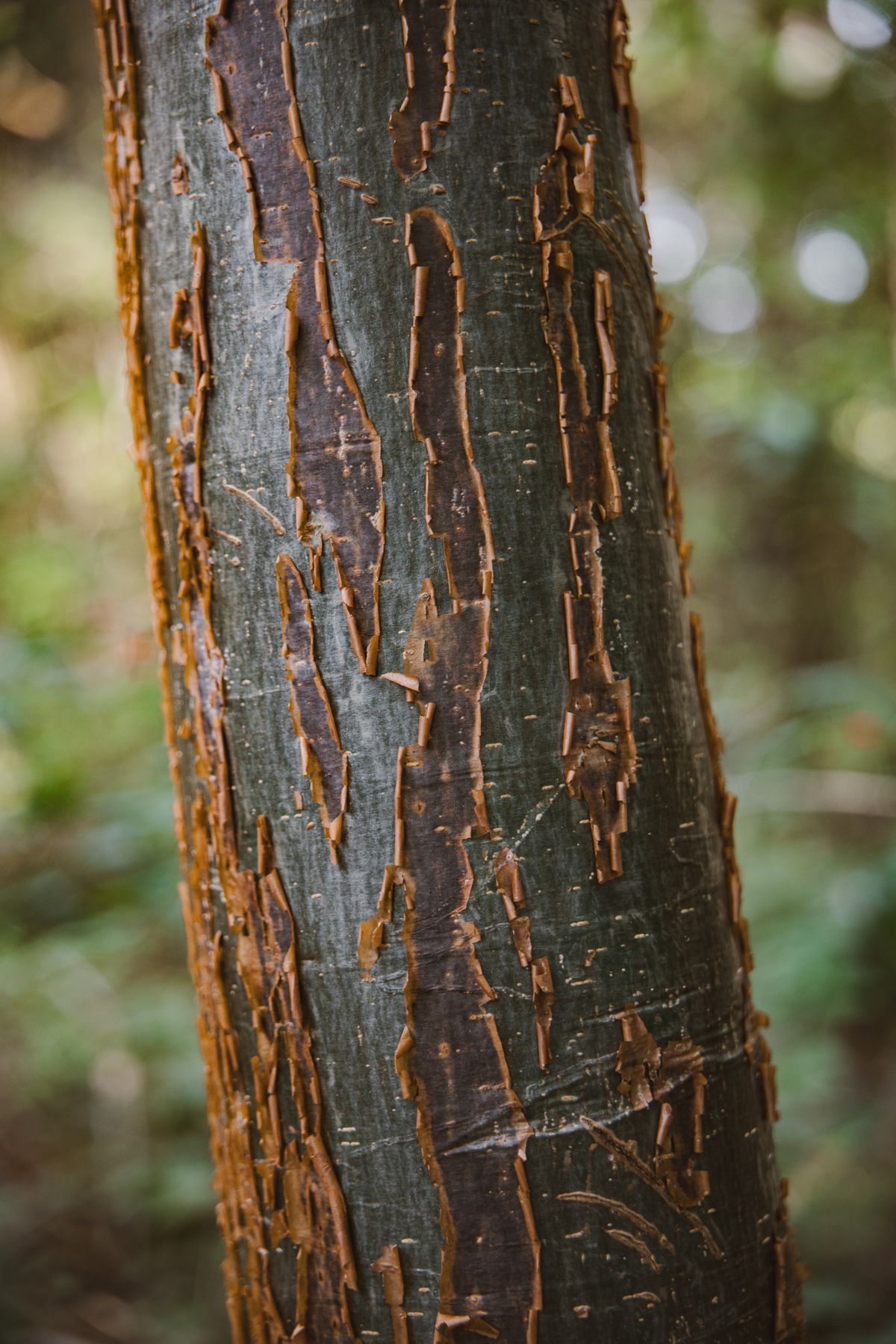
This is resinous agarwood. An oud impression in perfume may be an accord; the image does not establish agarwood or oud oil in a particular product.
Open full-size image ↗Oud and amber can overlap without being identical
A fragrance can be both oud-like and ambery, with one facet more prominent. If sweet resinous warmth leads, an amber interpretation may fit better; if dark woody, smoky or leathery character dominates, the oud-like aspect may stand out. Place samples on a two-axis map of sweet-to-dry and transparent-to-dark, then justify positions from what you actually smell.
Case: two very different warm scents
Fragrance A opens cinnamon- and cardamom-like before settling into vanilla warmth. Fragrance B feels dark woody with dry incense and a leathery edge. Both are warm, but A leans spicy-amber while B leans resinous or oud-like. Build a matrix scoring sweetness, spice, smokiness and woodiness. Record which attribute leads at each checkpoint. Not every warm scent needs to be labelled oud or amber; useful descriptions discriminate between very different styles.
Warm aroma is not physical heat
Warmth in a fragrance is a sensory impression, not a physical burning sensation. If a skin test causes irritation, wash the area and discontinue use rather than interpreting the reaction as intensity or quality. Use finished products as directed; concentrated raw-material blending requires specific safety knowledge and controls.
Practical exercise
Compare an available oud-inspired fragrance such as Secrets of Cairo with a warm vanilla reference and a spice-forward reference. Rate sweetness and resinous-smoky character separately, then describe each dominant facet.
Comparison guide
Four warm character groups
- Amber: rounded vanilla warmth
- Spice: cinnamon, cardamom, pepper
- Resin: incense and benzoin
- Oud-like: dark wood and leather
A simple two-axis decision map
- Sweet and warm: amber
- Dry and piquant: spicy
- Dark and incense-like: resin / oud-like
Practice with SESH fragrances
Optional references for practice, without unverified ingredient claims or rankings.

