
Woody, oud-like and musk effects | SESH Academy
SESH · Intermediate Fragrance Academy
Distinguish dry, creamy, earthy and musk-like backgrounds without inferring formula ingredients.

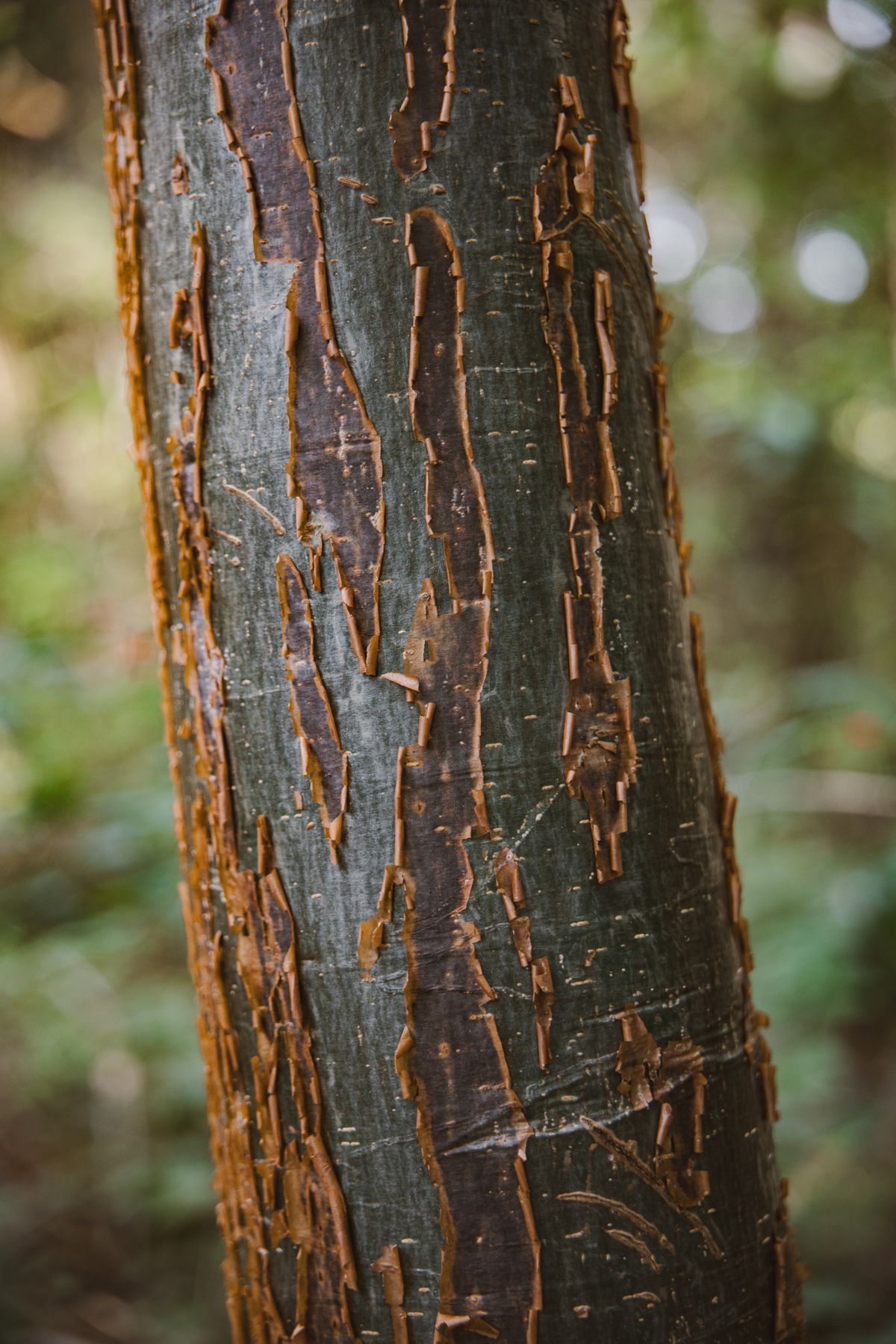
This is resinous agarwood. An oud impression in perfume may be an accord; the image does not establish agarwood or oud oil in a particular product.
Open full-size image ↗
Woody is not one uniform note
Woody character can be pencil-shaving dry, sandalwood-like creamy, vetiver-like earthy or smoky and warm. One adjective doesn't distinguish these effects. Ask whether the wood feels crisp or smooth, dry or creamy, transparent or dense. These contrasts are often more useful to shoppers than the general family name.
Three wood-inspired references
Sandalwood-inspired accords often feel creamy and smooth; cedar-like effects can resemble dry timber or pencil shavings; vetiver-like effects may feel earthy, rooty or smoky. A note name does not confirm natural source, and a woody label alone does not predict longevity. Formula, dose, materials and wearing conditions matter.
Oud can mean many things
Natural oud is diverse, and perfumes may feature oud-inspired accords rather than literal agarwood oil. Oud-like impressions can be woody, smoky, leathery, sweet or resinous. When assessing an oriental-style fragrance, separate oud-like wood, warm amber facets and actual smoky impressions instead of treating them as synonyms.

Muscone is a macrocyclic molecular example related to musk odours. The musk family includes different materials; this is not an ingredient list for any perfume.
Open full-size image ↗Modern musks are varied
Modern musk impressions can be clean-laundry-like, skin-like, soft or powdery. People differ in how strongly they detect certain musk odorants, and a musk note does not automatically guarantee superior longevity. Compare samples on a consistent surface, and distinguish how much you detect from how long a fragrance remains perceptible.

Case: three woody directions
Sample A is dry like pencil shavings, B creamy and sandalwood-like, and C rooty with a faint smoke nuance like some vetiver interpretations. All may be called woody, but a person who loves B need not enjoy A or C. Record dryness, creaminess and perceived depth separately. When an oud note is advertised, determine whether you actually perceive dark wood, smoke, leather or a more general resinous warmth. Marketing names do not prove origin.
The musk-longevity trap
Musk can contribute clean, skin-like or powdery effects, but a listed musk note does not guarantee longevity. Perception of some musk odorants varies widely, and adaptation can make a fragrance seem absent to its wearer while others still detect it. Ask a fresh observer before respraying. Perceptual difference is useful information, not automatic evidence of product failure.
Practical exercise
Compare an available oud-inspired perfume such as Secrets of Cairo with clean-musk and dry-wood references. Rate each on dry-to-creamy, smoky-to-clean and fresh-to-warm axes.
Comparison guide
A woody character map
- Cedar-like: dry and crisp
- Sandalwood-like: creamy and smooth
- Vetiver-like: earthy and rooty
- Oud-like: smoky to resinous
Musk and oud are not identical
- Clean musk: softness and air
- Dark oud: depth and warmth
- Descriptor ≠ proof of source
Practice with SESH fragrances
Optional references for practice, without unverified ingredient claims or rankings.

