
SESH · FRAGRANCE ACADEMY · INTERMEDIATE
Run coded comparisons and distinguish sensory evidence from label-driven expectations.

Follow the route from the nasal cavity to the olfactory bulb. Smell is perception; it does not independently identify a perfume’s ingredient list.
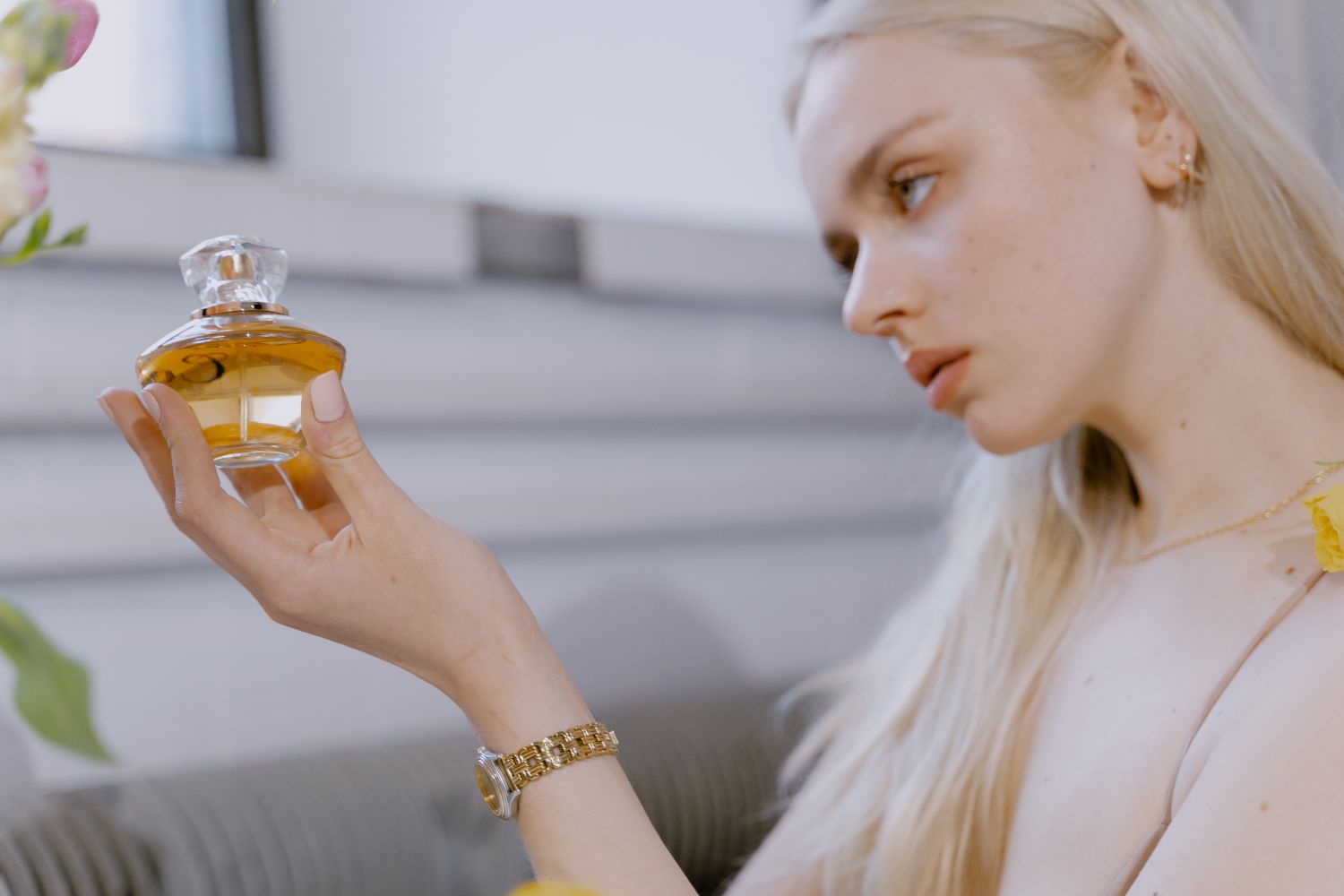
Labels can prime the nose
Reading 'luxurious vanilla' before smelling can bias attention toward vanilla-like facets and away from others. Price, packaging and brand narratives also shape expectations. Begin with a coded sample independent of the product identity, write your impressions, and reveal the label only afterward.
A three-sample protocol
Have a second person code three similarly prepared strips with comparable timing. Take breaks between samples; do not assume coffee beans reliably reset olfaction. Record preference on a 1–5 scale alongside confidence in each note-level guess. Independent observations are more useful than trying to identify the most prestigious brand.

Triangle testing: find the odd one out
In a simple triangle exercise, provide three similarly dosed, coded samples: two from the same fragrance and one from another. Ask which differs without revealing the order. This is not a formal sensory panel, but it helps separate discrimination ability from liking. Keep exposure moderate and the test area ventilated.

These curves show how changing mean and variance affects a statistical model. They are theoretical teaching data, not skin or fragrance-panel results.
Open full-size image ↗When one trial is not enough
If you identify the product from the bottle or one sample was prepared thirty minutes earlier, the blind condition has failed or timing has become a confounder. Record it rather than hiding it. Repeat on another day if the decision matters, and never generalize one observer's result to all customers.

A preference reversal case
You might prefer A when viewing its packaging and story, but favor B among unnamed strips. This does not make your taste wrong. It shows that purchasing preferences combine sensory, aesthetic and emotional inputs. If the task is to describe odor itself, keep those inputs separate.
Write a transparent test report
Document sample count, dosing, order, whether coding was truly blind, checkpoints and deviations. Present the result as a limited observation rather than a sweeping brand ranking. Separate odor discrimination from the emotional influence of design and storytelling; this makes the review useful and credible.
Practice challenge
Ask someone to code three samples including a duplicate. Identify the odd one out before unblinding, then compare discrimination accuracy with liking.
Key concept map
Sources of bias
- Brand name
- Price
- Bottle design
- Presentation order
Triangle test
- Two matching samples
- One different sample
- Codes instead of names
- Reveal after answering
Try the analysis on SESH fragrances
These are optional references for comparison, not evidence of a specific ingredient or superiority claim.
Further reading
The Perfume Society: fragrance FAQs · IFRA fragrance standards

