
Lesson 1 of 4 in this stage
Exfoliation, AHA and BHA: differences and use
Distinguish physical exfoliation from acids and choose by purpose and tolerance rather than strength alone.

Find the stratum corneum at the top and cell renewal below. This is thick skin, such as a palm; its clear lucidum layer is absent from facial skin.
What does exfoliation do?
Surface skin cells naturally renew and shed. Exfoliation helps remove some surface cells through friction, such as a scrub, or chemical ingredients such as certain acids. It is optional, and visible peeling or burning is not the goal. Painful or inflamed skin is not a good starting point for adding an exfoliant.
AHA and BHA with familiar names
| Group | Examples | Common role and limits |
|---|---|---|
| AHA | Glycolic and lactic acids | Used for surface texture and some uneven colour; can increase sun sensitivity and irritation. |
| BHA in skincare | Salicylic acid | Used in some clogged-pore and acne products; not a treatment for every breakout. |
| Physical exfoliation | Scrubs or rubbing tools | Uses friction; intensity, pressure and frequency can irritate. |
A sensible starting approach
Check whether the product rinses off or stays on, where it is intended to be used and its stated frequency. Do not apply directions for a strong body exfoliant to the face. Review existing retinoids or other irritating treatments before adding an acid, and introduce it cautiously as tolerated. Percentage alone does not measure strength: acid type, pH and formulation matter. Avoid raw-acid mixtures or lemon and baking-soda recipes. FDA guidance emphasizes sun protection during AHA use and for a week afterward.
Chemical versus physical is not a strength contest
Certain AHAs and BHAs assist surface-cell shedding through mechanisms that depend on the acid, its concentration and the full formulation. Scrubs work through mechanical friction. The category name alone cannot predict irritation or performance: particle characteristics, rubbing pressure, acid concentration and frequency all matter.
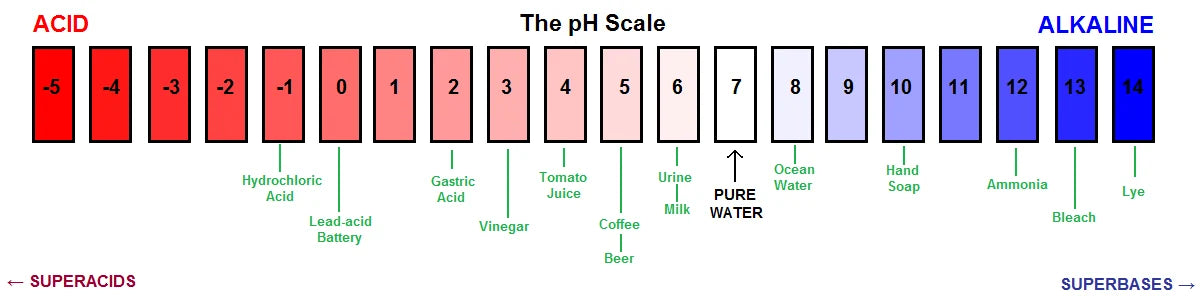
Compare the acidic, neutral and alkaline parts of the pH scale. A pH value alone does not determine exfoliation strength or skin compatibility.
Recognize when exfoliation is too much
Persistent stinging, redness, post-wash tightness and painful peeling are not proof of progress. Pause or reduce exfoliation and reassess the routine if irritation occurs. Do not start a new scrub, exfoliating acid and retinoid together. People with very reactive skin or an active dermatologic condition may need clinical guidance before exfoliating.
Your turn
Use what you learned
For blackheads, consider a gentle cleanser, a suitable salicylic product and a rough daily scrub. Identify the basic step, the possible targeted treatment and the option to avoid.
See the answer and why
Cleanser is a basic step; salicylic acid is a possible targeted option depending on directions and tolerance. A rough daily scrub adds unnecessary friction. None promises pore removal.
Check your understanding
Answer four questions, then review the reason for each answer. You can retry.


